
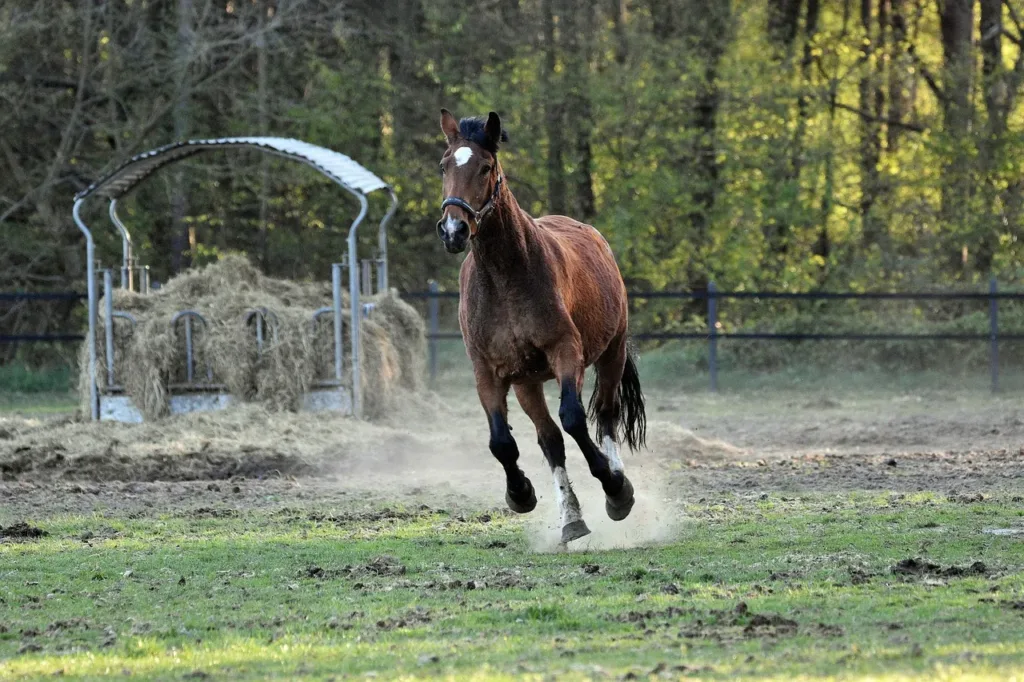
For years, white electric tape has been the standard choice for horse paddocks across Australia.
More recently, black horse tape has started appearing across arenas, boutique horse properties, and modern paddock layouts — often because owners prefer a cleaner visual finish and reduced glare across large fence lines.
But colour alone doesn’t determine whether a fence works well.
Equine and agricultural guidance consistently places greater importance on visibility, fence recognition, durability, and appropriate installation than on colour selection itself.
So when comparing black horse tape and white tape, the better question is not which colour wins — but which fencing setup works best for the property, horses, and environment.
Why Horse Owners Use Electric Tape for Fencing
Electric tape is widely used in horse fencing because visibility matters.
Unlike plain wire, tape creates a broader visual boundary that horses can recognise more easily when moving through paddocks and yards.
Guidance from the University of Georgia Equine Extension notes that fence visibility is an important consideration in horse safety because horses may struggle to clearly identify less visible fencing types.
Similarly, guidance published by Northern Territory Government – Fencing for Horse Safety and Security highlights the importance of visible fencing materials when designing safe horse enclosures.
That’s one reason electric tape is commonly used across:
- Horse paddocks
- Day yards
- Laneways
- Arenas
- Round yards
- Strip grazing systems
Why 40mm Tape Is So Common in Horse Fencing
When horse owners compare tape options, width is often more influential than colour.
Wider tape creates a larger visual profile, making fence boundaries easier to identify at distance and across changing light conditions.
Industry guidance from Electric Fencing UK – Tape or Rope? notes that wider tape is commonly selected where visibility is a priority, particularly for equine applications.
That’s why 40mm tape has become a widely adopted standard for horse fencing.
It provides a clear visual line without becoming overly intrusive across larger properties.
Black Horse Tape vs White Tape
Both black and white tape can perform effectively for horse fencing.
The practical differences tend to appear less in containment and more in presentation, contrast, and how fencing sits within the landscape.
| Feature | Black Horse Tape | White Horse Tape |
| Appearance | More understated | Traditional, high contrast |
| Glare | Lower visual reflection | Brighter in direct sunlight |
| Landscape impact | Less visually dominant | More prominent |
| Common use | Arenas, premium paddocks | General horse fencing |
There is currently limited independent research showing one colour performs universally better than another for horse behaviour or containment.
Instead, most guidance focuses on ensuring fencing remains clearly visible and consistently maintained.
Why Some Horse Owners Are Choosing Black Tape
One reason owners move to black tape is appearance.
Across larger paddocks and open landscapes, black tape tends to create a softer visual boundary that many owners feel integrates more naturally with the surrounding environment.
Another commonly reported benefit is reduced glare.
White tape reflects more sunlight and can appear visually dominant across long fence runs. Black tape absorbs more light and creates a lower-reflection finish.
Whether that is preferable ultimately comes down to property style and owner preference rather than a measurable safety advantage.
Visibility itself remains the more important consideration.
Australian equine supplier Duncan Equine – Horse Fence Visibility and Equine Eyesight discusses how horses interpret fencing differently from people and why clear fence definition remains an important design consideration regardless of material colour.
Choosing Horse Tape for Australian Conditions
Australian fencing conditions can be demanding.
Long periods of UV exposure, heat, wind and extended fence runs all place stress on materials over time.
A 2023 textile engineering study published by Springer – Chosen Mechanical Properties of Electric Tape Fences describes visibility and durability as important performance characteristics of electric tape systems used in agricultural and equine environments.
In practice, this means choosing tape that is designed for long-term outdoor use and replacing lower-quality materials before performance declines.
Why Whistler Black Horse Tape Stands Out
At Whistler Farm Supplies, the focus is on practical fencing products that perform reliably in Australian conditions.
Premium Black Horse Tape — 40mm × 200m — is designed around the principles horse owners already prioritise: clear visual boundaries, durability, and a cleaner finished appearance.
Suitable for:
- New paddocks
- Replacing older tape
- Arena fencing
- Property subdivision
Because good fencing doesn’t just hold horses in. It helps the entire property work better.
Frequently Asked Questions
Is black horse tape easier for horses to see?
Current guidance focuses on overall fence visibility rather than colour superiority. Width, contrast, installation and maintenance generally matter more than choosing black or white.
What width electric tape is best for horses?
Wider tape is commonly used because it creates a clearer visual boundary. For that reason, 40mm tape is widely adopted across horse fencing applications.
Is electric tape better than rope for horses?
Tape is often selected where visibility is the priority. Rope may suit some long-run applications, but wider tape provides a stronger visual profile.
Does horse tape need replacing?
All fencing materials age over time. UV exposure, weather conditions and installation quality all influence lifespan and maintenance requirements.
Related Products
-
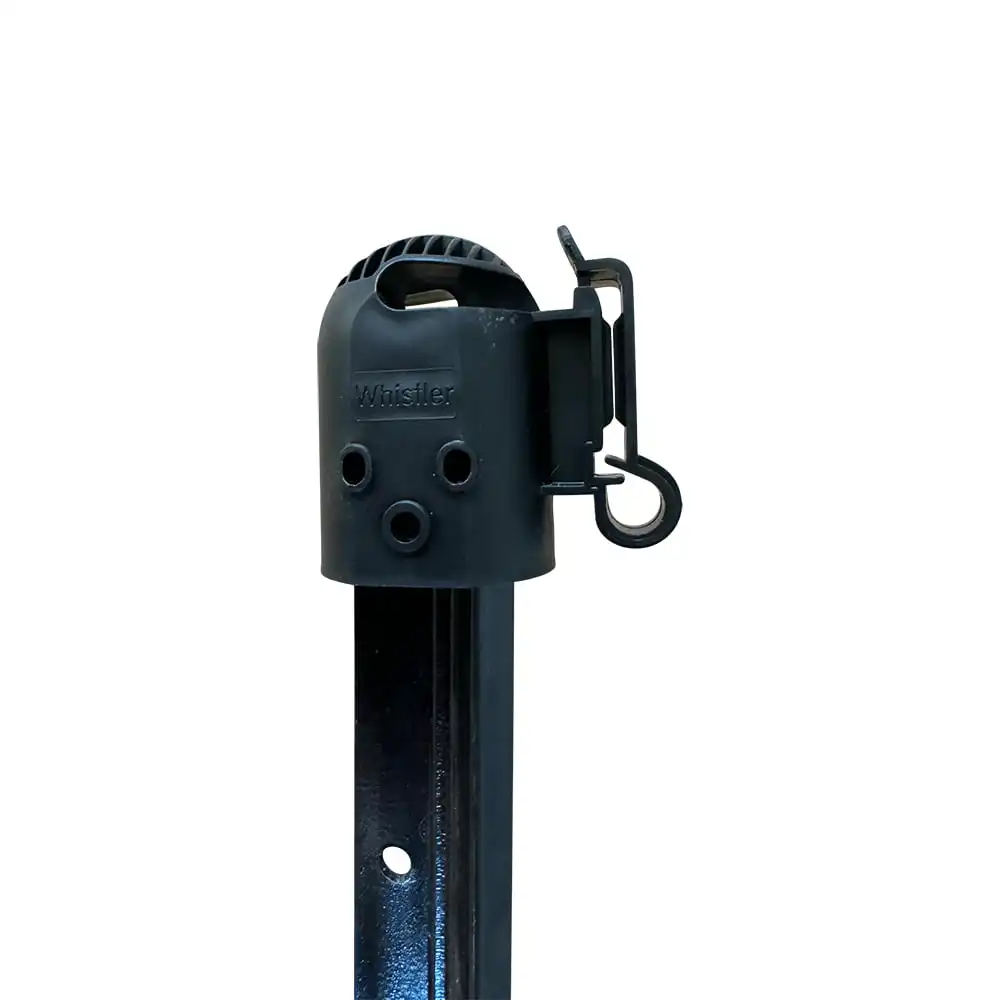
Black Safety Round Star Picket Caps Qty 20
$47.00 -
Black Safety Round Star Picket Caps Qty 40
$92.00 -
Black Safety Round Star Picket Caps Qty 60
$135.00 -
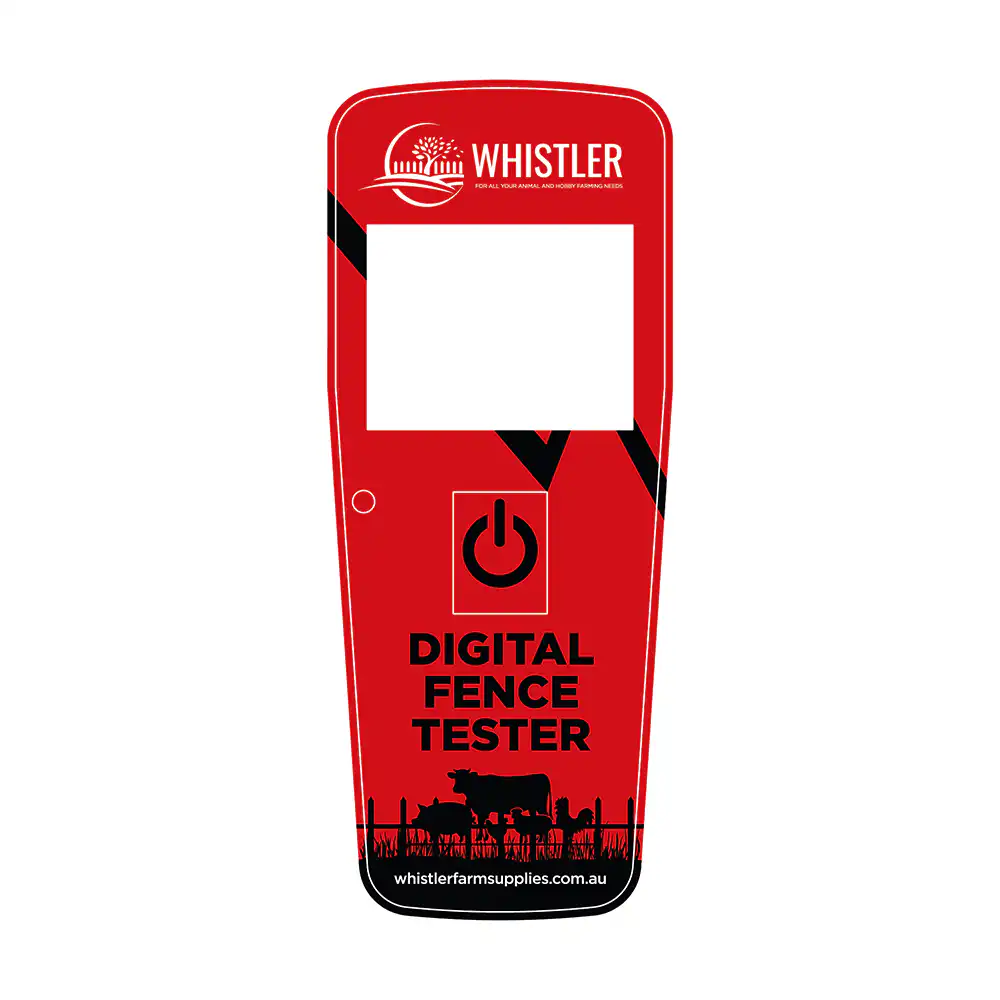
Digital Electric Fence Tester | Fence Voltage Tester
$145.00 -
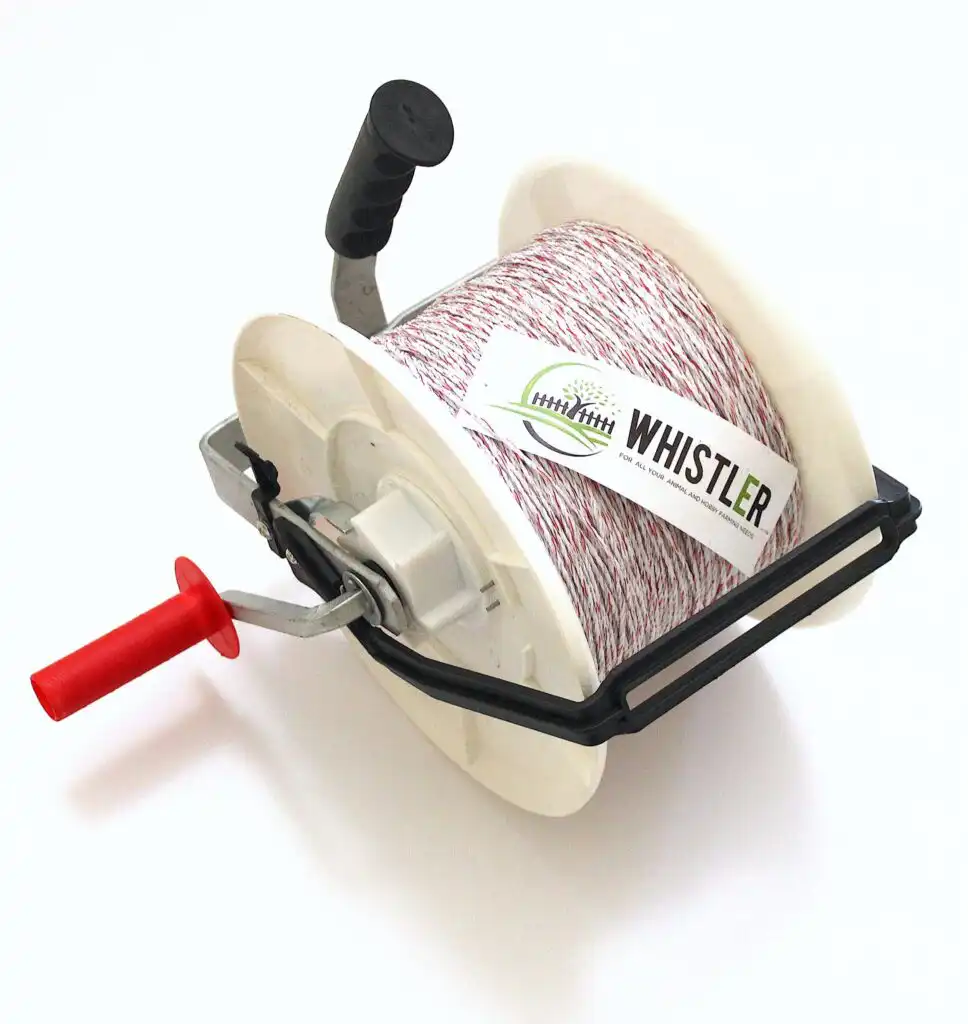
Electric 3:1 Geared Fence Reel with 500m Red and White 2mm Poly Wire
$125.00 -
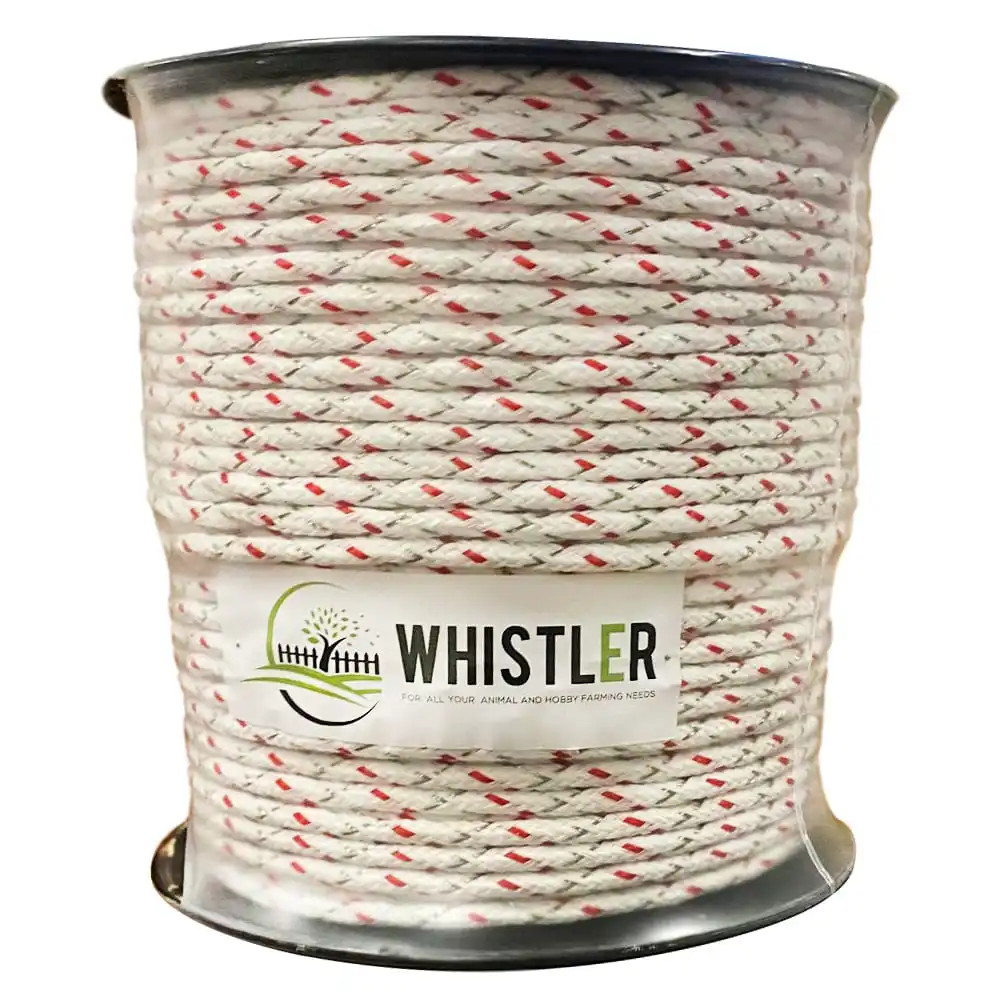
Electric Fence 8mm Red & White Braided Polyrope
$178.00 -
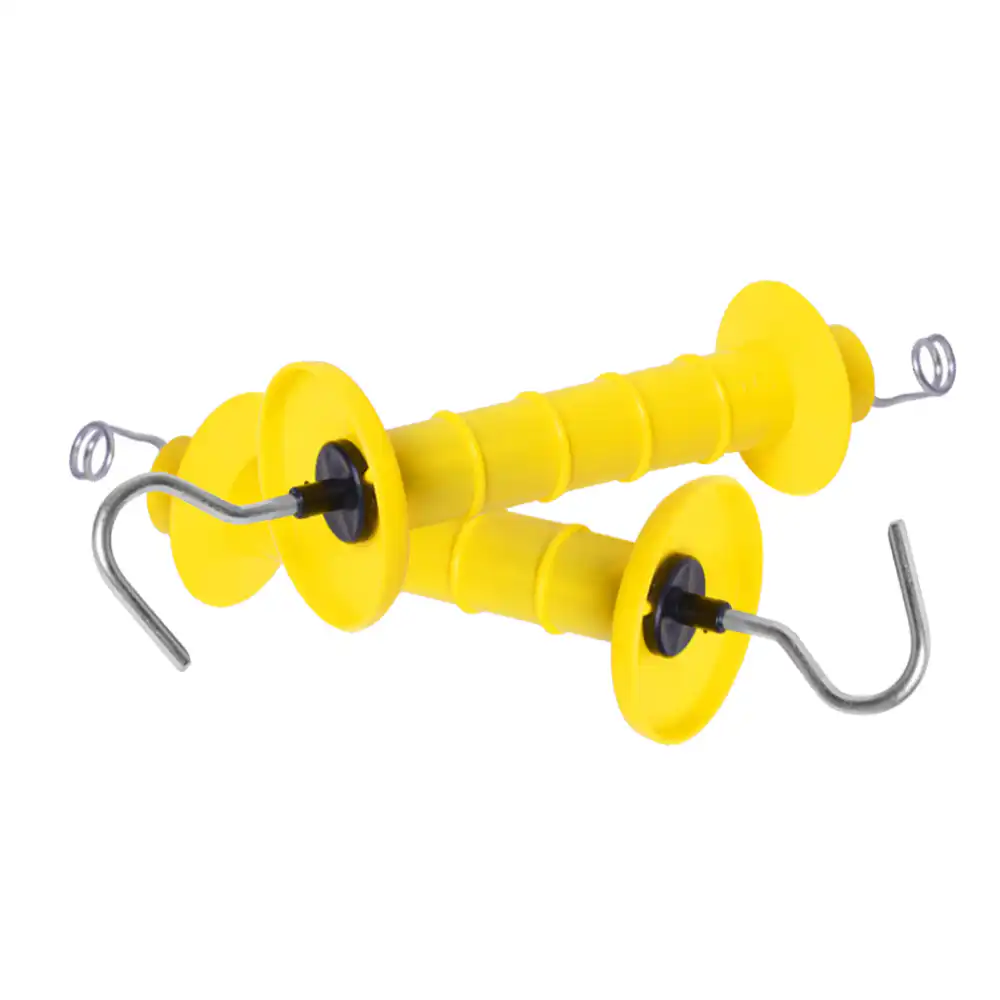
Electric Fence Gate Handles Pack of 5
$39.50