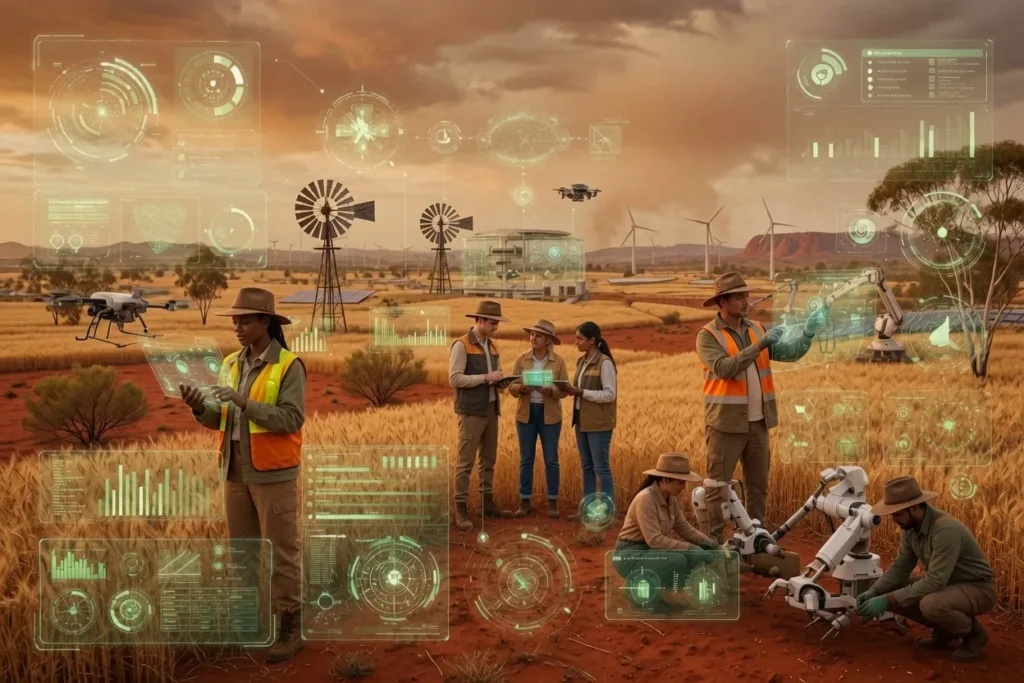
Helping Australian Farmers Do More with Less
Farm Labour
Artificial Intelligence is helping farmers negotiate one of the biggest challenges, finding and improving farm labour in the Australia. Whether it’s seasonal workers for harvest, staff for livestock operations, or skilled workers in regional areas, many farmers are being asked to do more with fewer hands. According to research from CSIRO, labour shortages continue to impact productivity across the agricultural sector, prompting farmers to explore new technologies and smarter ways of working. Artificial Intelligence (AI) is emerging as one of those solutions, helping producers monitor livestock, manage water systems, inspect fencing, and identify potential issues before they become costly problems.
Technology
AI is already helping farmers improve efficiency and productivity. Technologies such as drones, smart cameras, sensors, and AI-powered monitoring systems allow farmers to gather information quickly and make better decisions. Rather than spending hours checking paddocks, water troughs, fences, or livestock, farmers can receive alerts and insights directly from connected devices. CSIRO reports that AI and automation technologies have the potential to improve farm productivity while reducing reliance on manual labour for repetitive tasks. Similarly, ABC Rural has highlighted examples of robotic and automated systems being used to help address agricultural workforce shortages in Australia.
Looking to the future, AI is expected to play an even greater role in Australian agriculture. From robotic harvesting systems and autonomous tractors to predictive maintenance and intelligent pasture management, the opportunities are expanding rapidly. Farms that embrace technology today may find themselves better positioned to manage rising costs, labour shortages, and changing seasonal conditions while maintaining productivity and profitability.
The Future
Looking ahead, AI is expected to play an even greater role in Australian farming. CSIRO’s Ag2050 project identifies automation, robotics, and artificial intelligence as key technologies that could help create more productive, resilient, and sustainable farming systems. From autonomous tractors and robotic harvesting equipment to predictive maintenance and intelligent pasture management, the opportunities continue to grow. While AI is unlikely to replace farmers, it is expected to become an important tool that helps Australian producers manage labour shortages, reduce costs, and improve decision-making well into the future.
Wayne and I know first hand, how hard it is to find good farm labour. We’ve spent years farming. It’s exciting times ahead for farmers. Will you embrace the AI innovations on your properties? We’d love to hear about it.
Frequently Asked Questions
Will AI replace farm workers?
No. AI is designed to assist farmers and farm workers by automating repetitive tasks and providing better information for decision-making. Skilled people will continue to be essential on Australian farms.
How can AI help with labour shortages?
AI can reduce the time spent on routine jobs such as monitoring livestock, checking water systems, inspecting fences, and surveying crops. This allows farmers to achieve more with the workforce they already have.
Can small farms benefit from AI?
Yes. Many AI-powered technologies, including drones, smart cameras, water monitoring systems, and livestock tracking devices, are becoming increasingly affordable for smaller farming operations.
What farm jobs are most likely to be automated?
Tasks that are repetitive, time-consuming, or data-driven are the most likely candidates. Examples include crop monitoring, machinery operation, irrigation management, and some harvesting activities.
On sale products
-
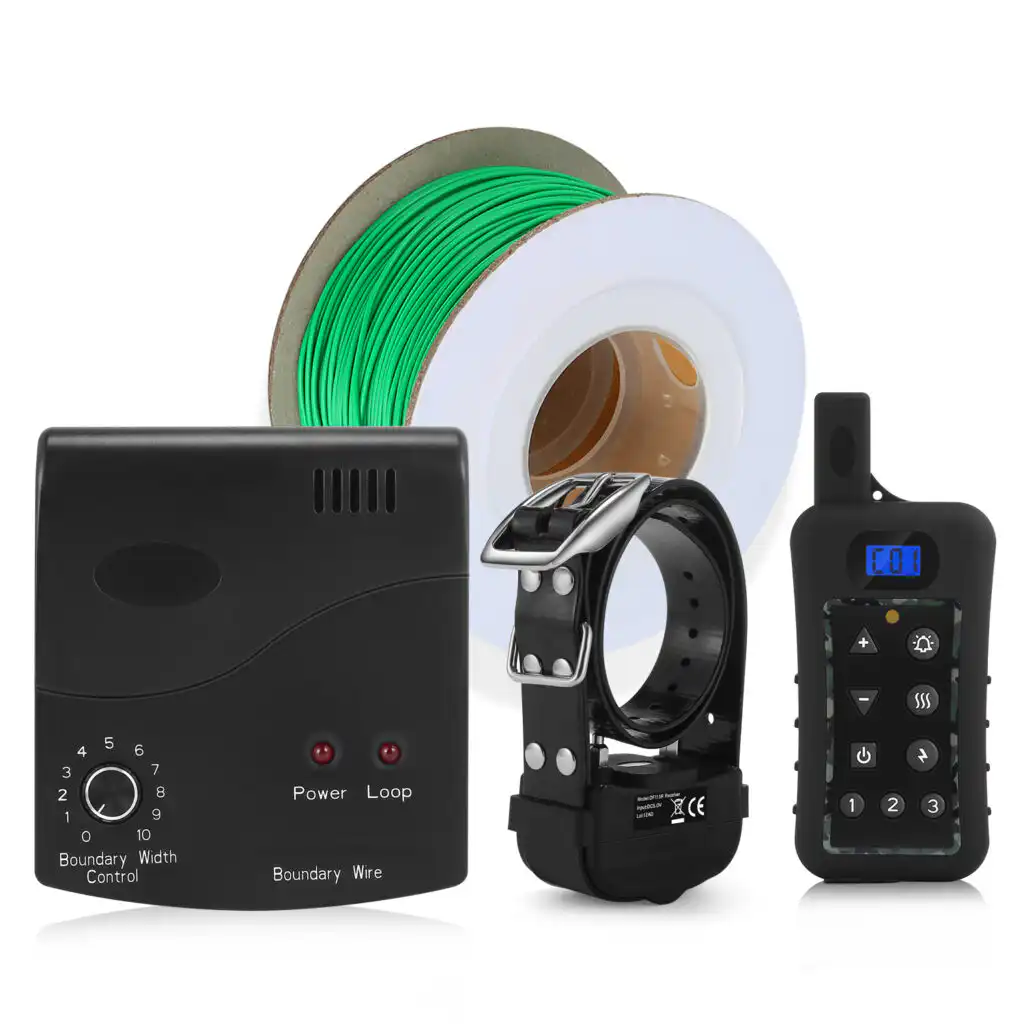
Dog Fence System and Remote Trainer in One Wireless DF113R Out of View Boundary Fence System
Original price was: $428.00.$200.00Current price is: $200.00. -
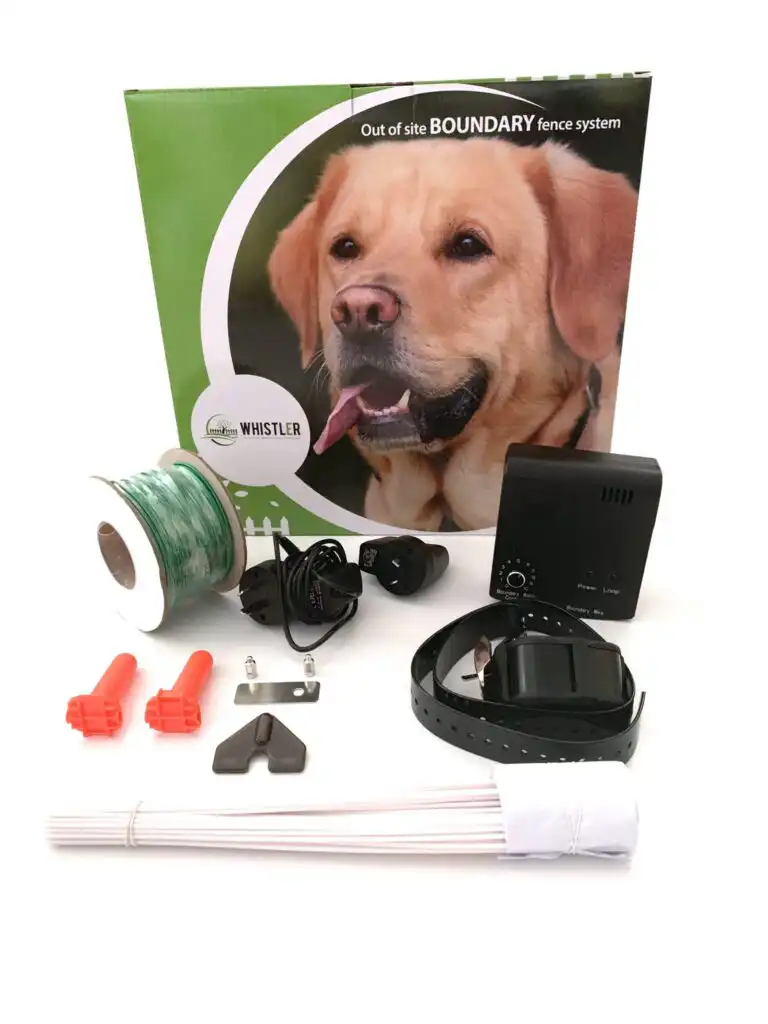
Dog Fence Wireless Out of View Boundary Fence system DF113R
Original price was: $348.40.$200.00Current price is: $200.00. -
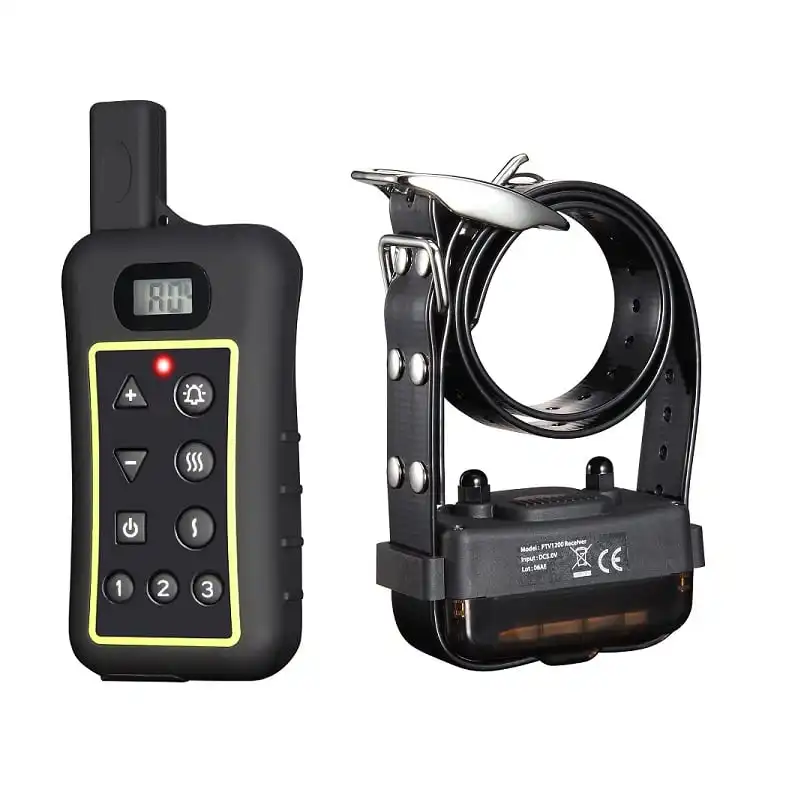
Dog Training Collar for up to 3 dogs PTV1200 ADDITIONAL COLLAR
Original price was: $89.00.$60.00Current price is: $60.00. -
Dog Training Collar for up to 3 dogs Rechargeable up to 1200mtrs PTV1200 Vibrate only
Original price was: $189.00.$99.00Current price is: $99.00. -
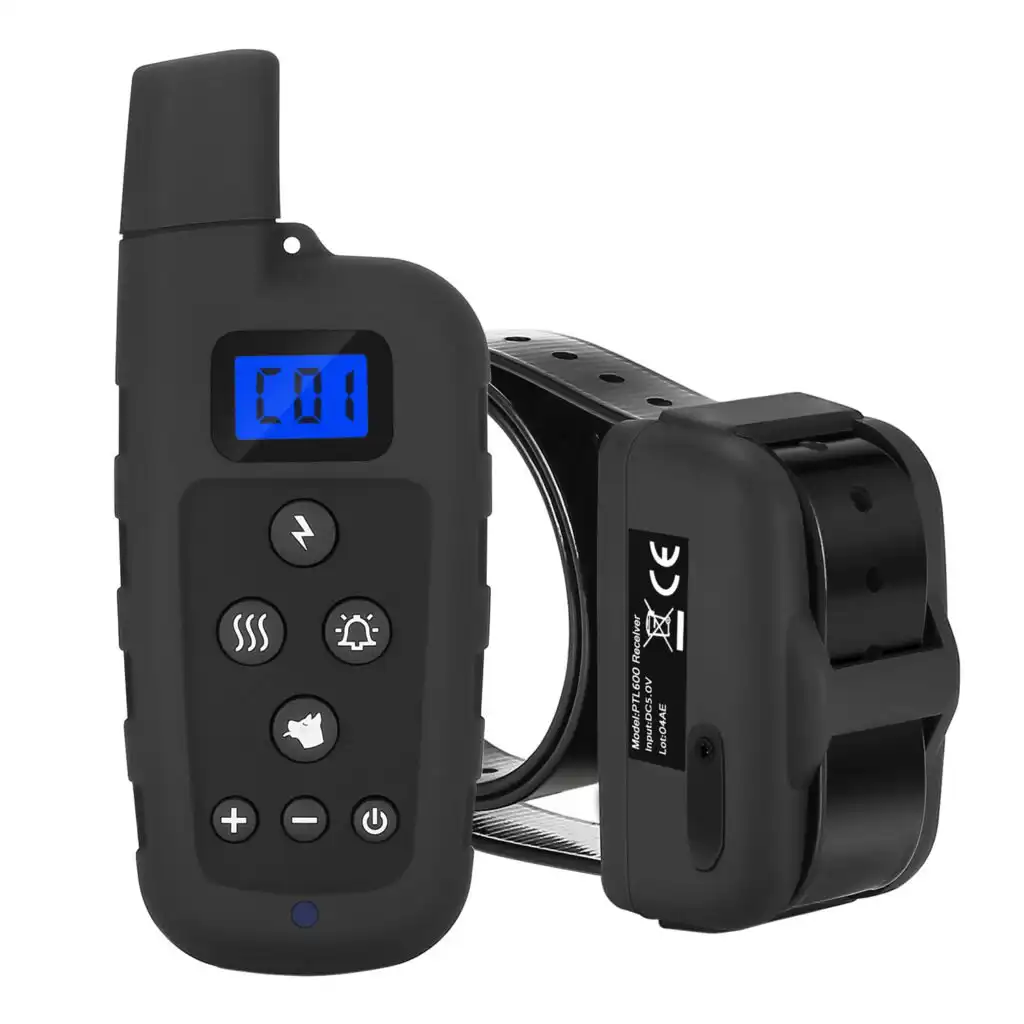
Dog Training System PTL 600
Original price was: $149.00.$80.00Current price is: $80.00.