
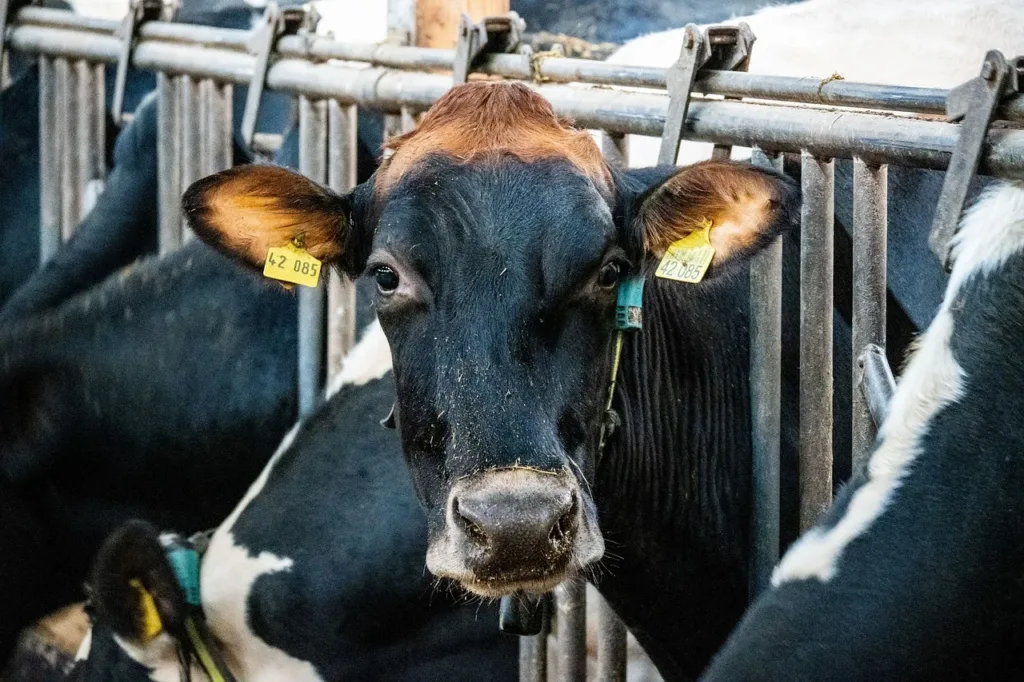
The annual opening milk price announcement is one of the most closely watched events in the Australian dairy industry. It sets the benchmark for farm income and influences business decisions ranging from feed purchases and herd management through to capital investment and staffing.
For the 2026–27 season, many dairy farmers were disappointed with opening prices, particularly in southern Australia where processors announced prices around the $9.00/kg milk solids (kgMS) mark. While this is comparable to recent seasons, many producers argue it does not adequately reflect the significant increases in feed, fertiliser, fuel, water and labour costs experienced over the past two years. Milk Value Portal
How Do Current Prices Compare?
Recent opening milk prices have fluctuated considerably as global dairy markets, weather conditions and input costs have changed.
| Season | Typical Opening Price (kgMS) |
|---|---|
| 2023–24 | Around $9.20/kgMS |
| 2024–25 | Around $8.00/kgMS |
| 2025–26 | $8.60–$9.20/kgMS |
| 2026–27 | Approximately $9.00/kgMS |
While the 2026–27 opening price is stronger than the low opening prices seen in 2024–25, it remains below the highs achieved in 2023–24 when global dairy commodity markets were particularly strong. Dairy News Australia
Why Are Farmers Concerned?
Milk prices tell only part of the story. Farm profitability depends on the margin between milk income and production costs.
Over the past few years, dairy farmers have faced:
- Higher fertiliser prices
- Increased fuel and energy costs
- Rising fodder and grain prices
- Labour shortages
- Weather-related challenges including droughts and floods
Industry groups have argued that milk prices below $9/kgMS leave many farmers struggling to achieve sustainable returns, particularly in drought-affected regions of Victoria and South Australia. Milk Value Portal
Global Markets Still Matter
Australia’s dairy industry is heavily exposed to export markets. Prices paid to farmers are influenced by global demand for products such as milk powders, cheese and butter.
Although recent global dairy commodity prices have improved, processors remain cautious due to uncertainty in international markets and changing consumer demand. Many analysts believe there is potential for “step-ups” later in the season if market conditions strengthen. Mirage News
Looking Ahead
The outlook for 2026–27 remains mixed. Milk prices are expected to remain relatively stable, but profitability will depend heavily on seasonal conditions and input costs.
Farmers who actively manage feed efficiency, pasture utilisation, herd performance and operating costs will be best placed to navigate another challenging season. At the same time, emerging technologies such as AI, automation and precision farming may help improve productivity and reduce costs over the coming years.
For many dairy producers, the key question is not simply what the opening price is—but whether it will leave enough margin to support a sustainable farming business.
Frequently Asked Questions
What is a milk solids (kgMS) price?
Milk solids (kgMS) represent the valuable components of milk—primarily butterfat and protein. Most southern Australian dairy farmers are paid based on kilograms of milk solids rather than litres of milk produced. Parliament of Australia
Can milk prices increase after the opening announcement?
Yes. Processors can announce “step-ups” during the season if market conditions improve. Many farmers watch these adjustments closely as they can significantly increase final season returns. The Guardian
Why do milk prices vary between regions?
Prices differ due to local market conditions, processor competition, transportation costs and whether milk is primarily sold into export markets or the domestic fresh milk market. Northern regions often receive higher prices due to year-round fresh milk demand. Parliament of Australia
Best selling products
-

Heavy Duty Wire Fence Strainer for Plain & Barbed Wire with 1.2m Chain
$71.00 -
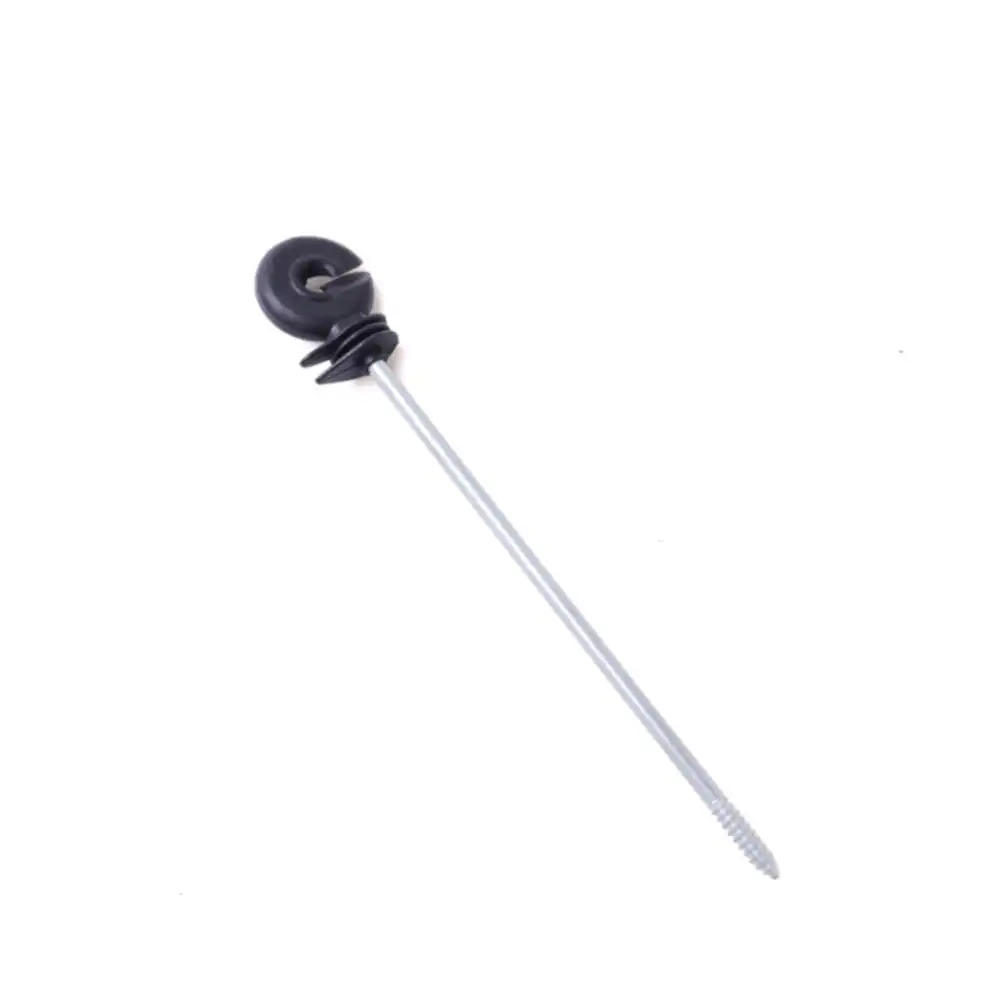
Electric Fence Off Set Ring Poly Rope Wire Insulator Black 50PKT
$63.00 -
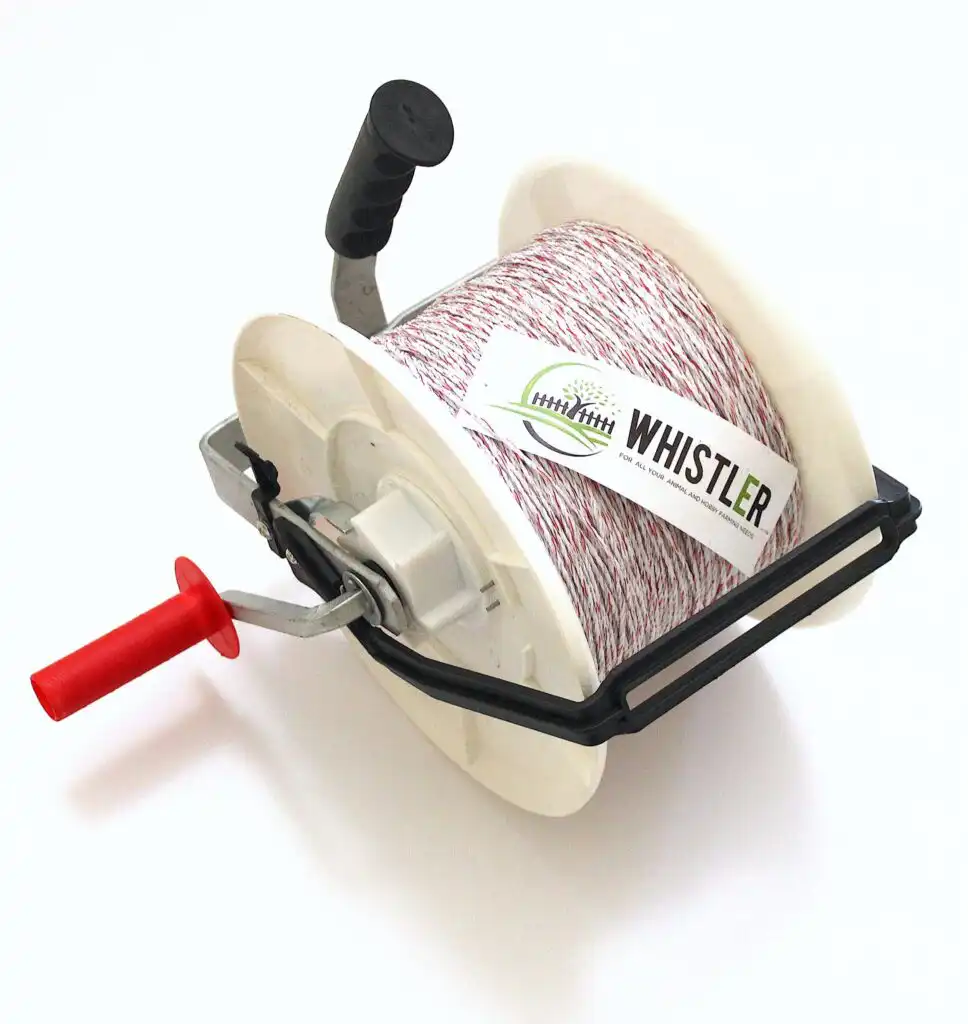
3:1 Geared Electric Fence Reel with 500m Red & White Polywire
$119.00 -
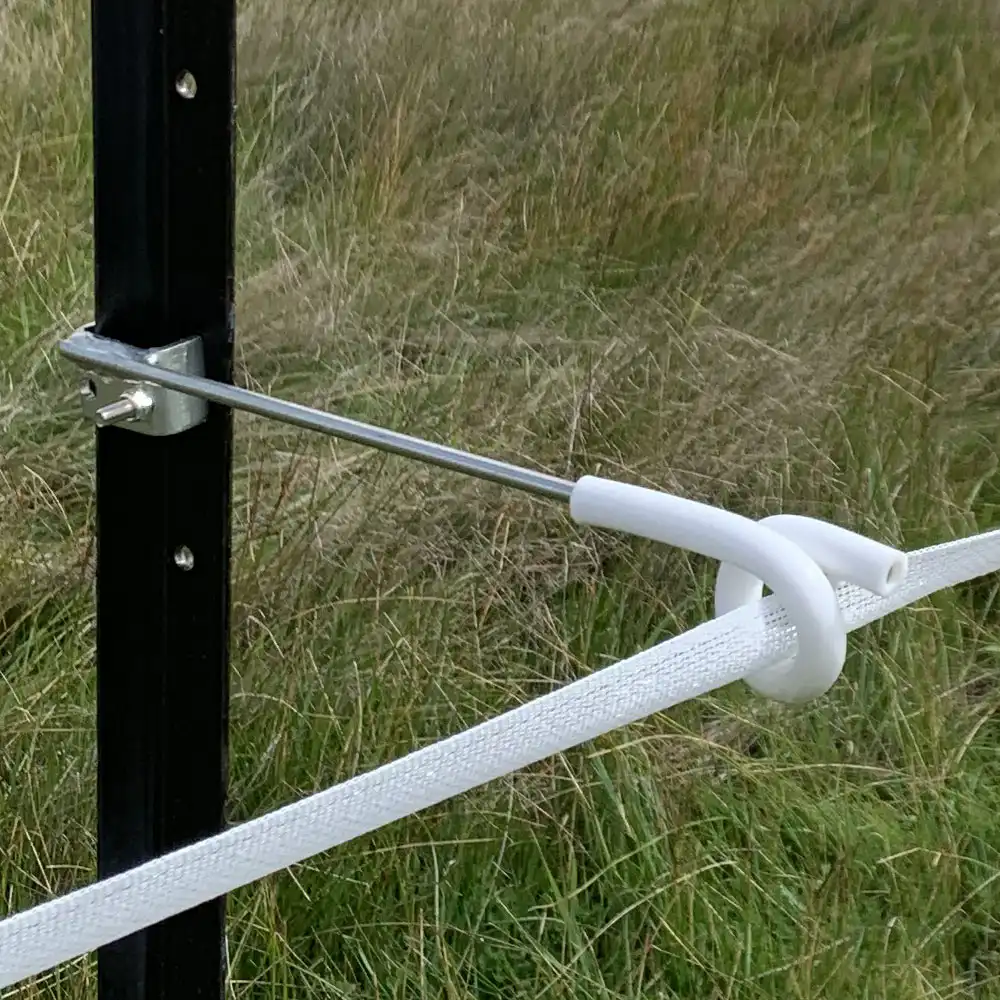
Electric Fence White Pigtail Insulators 25 Pkt 45cm offset
$129.00 -
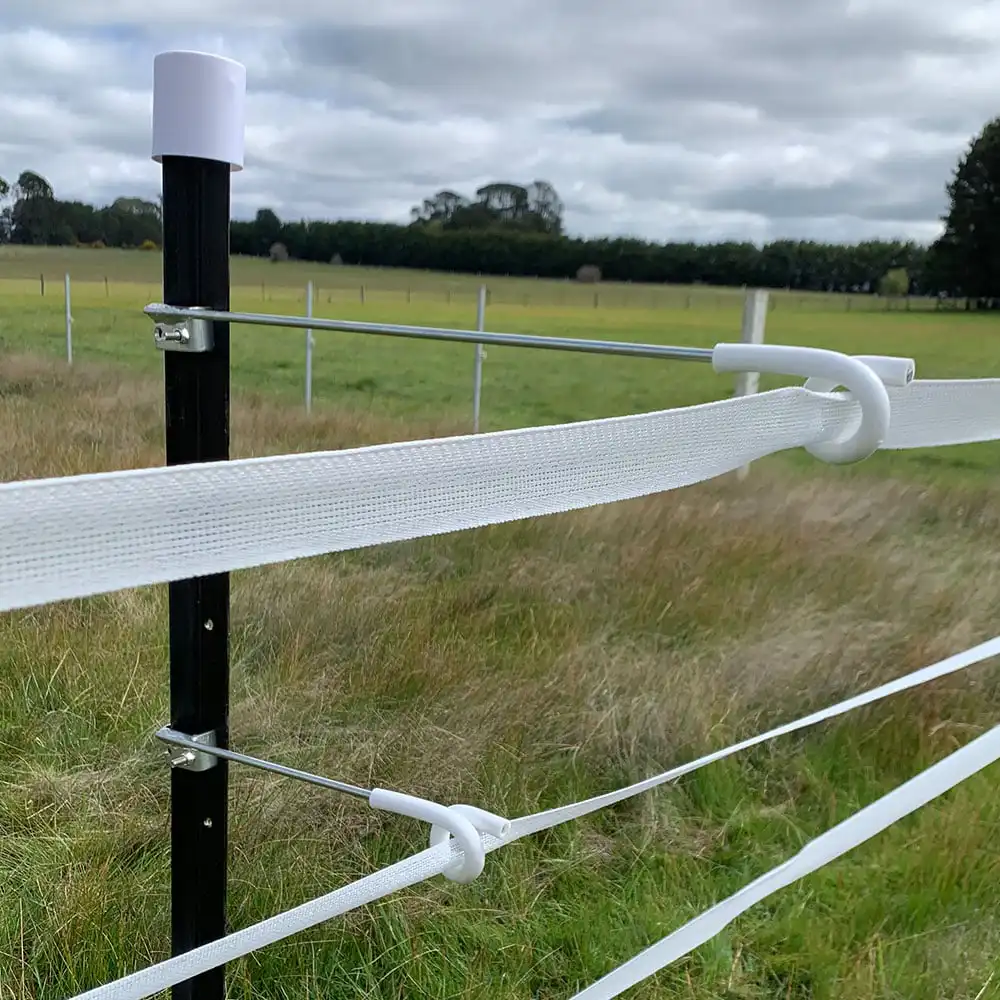
Electric Fence Pigtail Insulators 25 Pack 25cm offset
$122.00