Fertiliser remains one of the biggest cost pressures facing Australian farmers heading into 2026–27, with urea, MAP, DAP and potash all holding at elevated levels. Nitrogen—particularly urea—is driving the most concern, not just because of price, but because of supply timing and availability. With domestic urea prices sitting around $1,420–$1,430 per tonne ex-Geelong, many farmers are now shifting their focus from simply buying cheaper product to securing supply early and protecting overall farm margins.
The underlying problem is Australia’s heavy reliance on imported fertiliser. Most urea is sourced from overseas, particularly the Middle East, leaving local prices exposed to global disruptions such as geopolitical tensions, shipping delays, and fluctuations in natural gas prices. Demand from major buyers like India continues to influence global pricing, while a weaker Australian dollar further increases landed costs. According to the Australian Bureau of Agricultural and Resource Economics and Sciences, rising input costs—including fertiliser—are a key factor putting pressure on farm profitability across the country. Global insights from the International Fertilizer Association also show that supply constraints and export restrictions continue to impact availability worldwide.
Looking ahead, fertiliser prices are expected to remain volatile rather than return to pre-2021 levels. That means farmers need to shift from a price-focused mindset to a strategy-focused approach. Practical steps such as early purchasing, soil testing, and improving application efficiency can significantly reduce unnecessary spend. Research from the Grains Research and Development Corporation highlights that better nutrient management and timing can improve returns without increasing input costs. In 2026, the farms that perform best won’t necessarily be those paying the lowest price—they’ll be the ones managing fertiliser as a strategy, not just an expense.
FAQs
Why are urea prices so high in Australia?
Australia relies heavily on imported fertiliser, making prices sensitive to global supply chains, energy costs, international demand, and currency movements.
Will fertiliser prices drop in 2026?
Some easing may occur, but most forecasts suggest continued volatility and prices remaining above historical averages.
How can farmers reduce fertiliser costs?
Buying early, conducting soil tests, improving application timing, and focusing on return per dollar rather than maximum yield are key strategies.
What is the biggest fertiliser risk in 2026?
Supply timing is the biggest risk. Delays or shortages during peak demand periods can have a greater impact than price increases alone.
On sale products
-
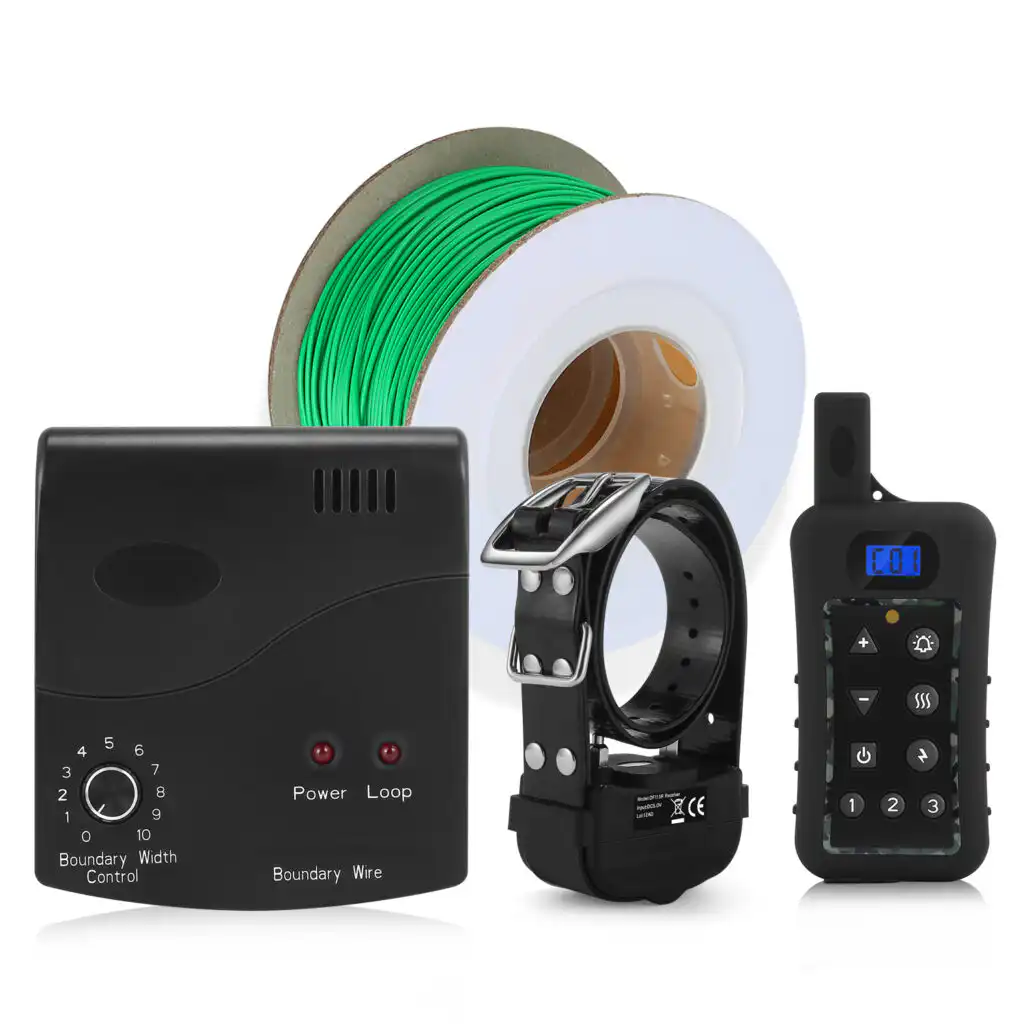
Dog Fence System and Remote Trainer in One Wireless DF113R Out of View Boundary Fence System
Original price was: $428.00.$200.00Current price is: $200.00. -
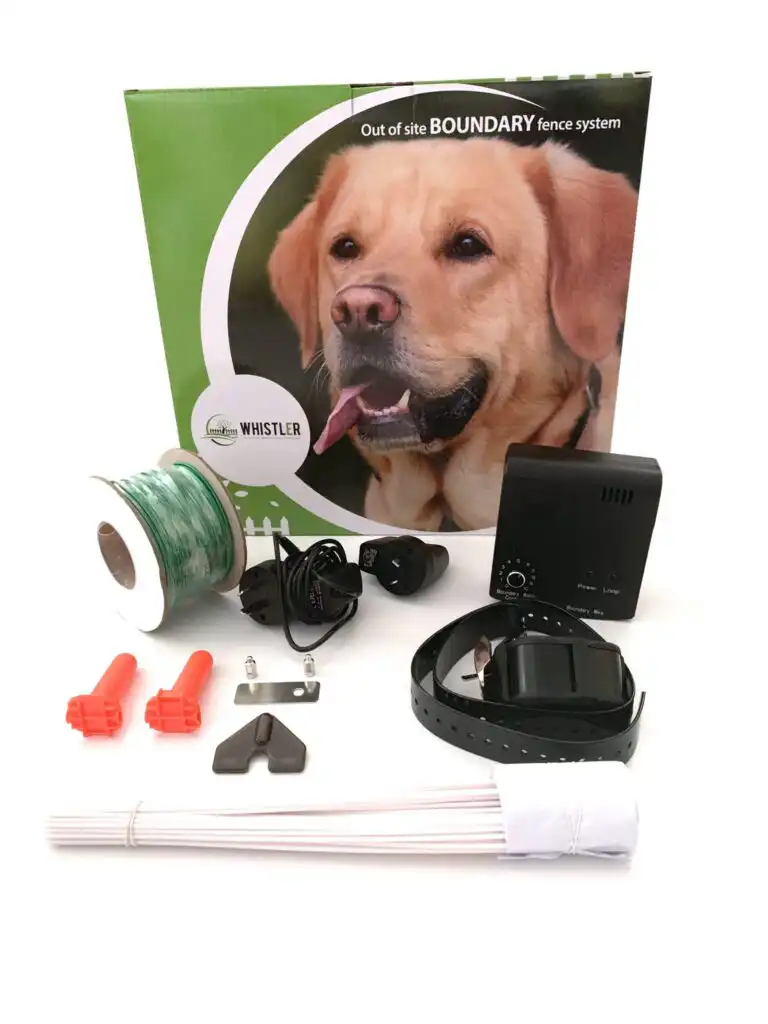
Dog Fence Wireless Out of View Boundary Fence system DF113R
Original price was: $348.40.$200.00Current price is: $200.00. -
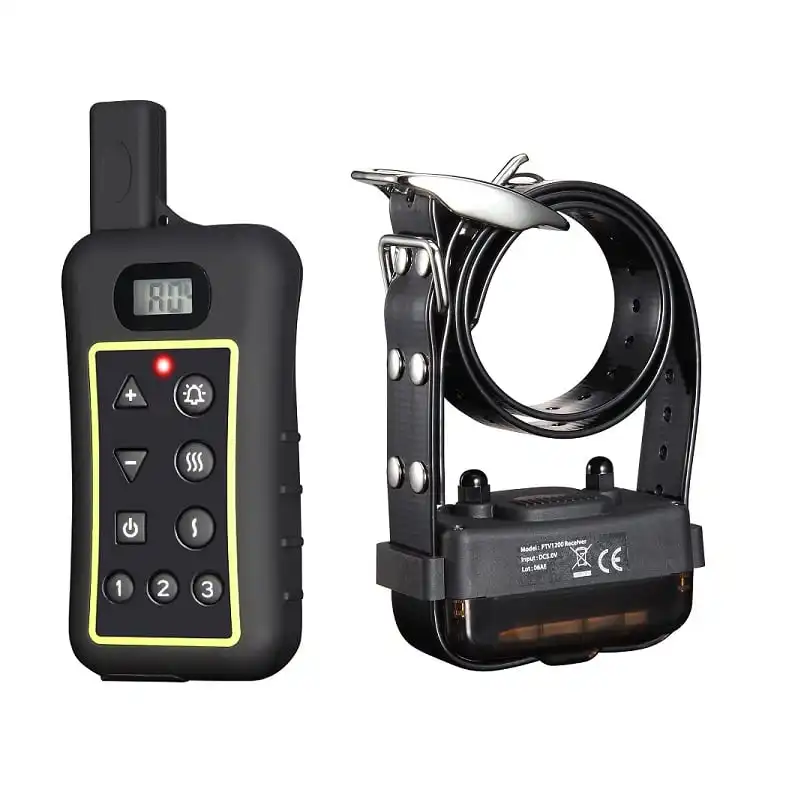
Dog Training Collar for up to 3 dogs PTV1200 ADDITIONAL COLLAR
Original price was: $89.00.$60.00Current price is: $60.00. -
Dog Training Collar for up to 3 dogs Rechargeable up to 1200mtrs PTV1200 Vibrate only
Original price was: $189.00.$99.00Current price is: $99.00. -
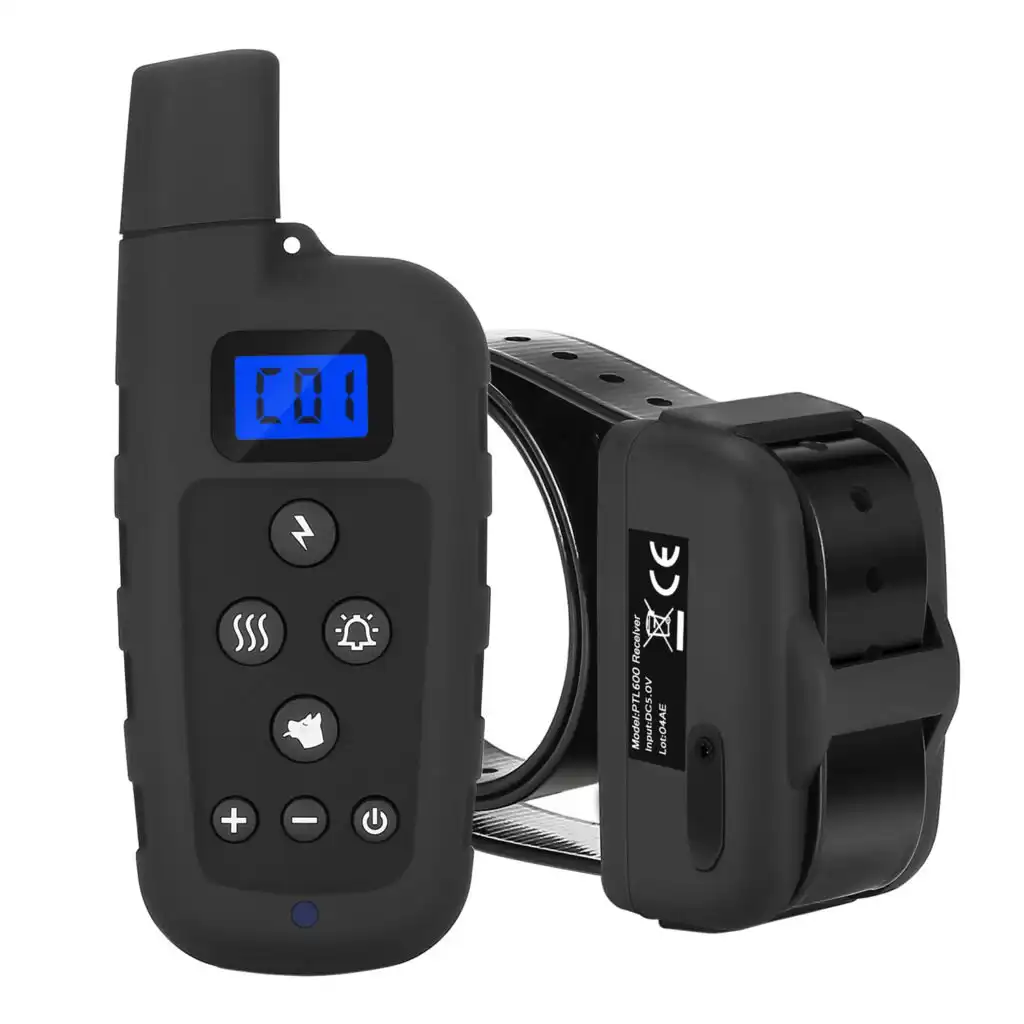
Dog Training System PTL 600
Original price was: $149.00.$80.00Current price is: $80.00. -
DT-2000 Additional Collar Waterproof Dog Trainer Wireless Collar
Original price was: $125.00.$79.00Current price is: $79.00. -
Extra Collar for Dog Training System PTL 600
Original price was: $80.00.$60.00Current price is: $60.00.