Australian agriculture has once again demonstrated why it is one of the most resilient industries in the world. Despite weather extremes, fluctuating global markets and rising production costs, the 2025/26 financial year is shaping up as one of the strongest on record.
However, the outlook for 2026/27 suggests farmers should prepare for tighter margins, drier seasonal conditions and increasing pressure on profitability.
Here’s what every Australian farmer should know.
2025/26 Snapshot – A Record Year
- Gross value of Australian agricultural production is forecast to reach around $101 billion — a record high.
- Agricultural exports are expected to exceed $80 billion, driven by strong livestock prices and large grain harvests. Australia’s winter crop is expected to be the second-largest on record, helped by favourable spring conditions.
- Livestock markets have remained strong thanks to continued demand from the United States, China and other export markets. DAFF
Major Industries at a Glance
🌾Cropping
- Wheat production remained exceptionally strong.
- Canola delivered another outstanding season.
- Barley exports continued to perform well.
- Grain quality was generally excellent across much of southern Australia.
🐄Beef
- Australian beef continued to enjoy strong international demand.
- Although herd rebuilding has slowed, export demand—particularly from the US—has helped maintain attractive cattle prices throughout much of 2025/26.
🐑 Sheep & Lamb
- Lamb prices stayed historically high due to tight supply.
- Wool markets also strengthened thanks to renewed demand from China.
🥛 Dairy
Milk production remained relatively stable, although higher feed, fuel and labour costs continued to pressure profitability.
🍎 Horticulture
- Horticulture continues to be one of Australia’s fastest-growing agricultural sectors and is expected to keep expanding into 2026/27.
The Outlook for 2026/27
While Australian agriculture remains in a strong position, several challenges are emerging.
1. Lower Farm Production
ABARES forecasts total agricultural production value will fall to approximately $95–98 billion, primarily because of lower crop production and easing livestock prices.
2. Drier Seasonal Conditions
Much of southern Australia is forecast to receive below-average rainfall during key growing periods.
Reduced soil moisture could lower yields across many grain-growing regions.
3. Higher Input Costs
Farmers continue to face elevated costs for:
- Fuel
- Fertiliser
- Freight
- Farm chemicals
Geopolitical tensions have added further uncertainty around fertiliser supply and pricing.
4. Lower Farm Profits
Average broadacre farm profits are forecast to decline significantly during 2026/27 as production eases and costs remain high.
Commodity Forecasts
| Commodity | 2026/27 Outlook |
|---|---|
| Wheat | Lower production and softer prices |
| Canola | Production expected to ease after a record year |
| Barley | Exports remain strong but values soften |
| Beef | Prices ease slightly but global demand remains healthy |
| Lamb | Prices remain historically strong |
| Wool | Stable with continued Chinese demand |
| Dairy | Farmgate prices improve over the medium term despite lower production |
| Horticulture | Continued growth expected |
Source: ABARES Agricultural Commodities Report 2026.
Frequently Asked Questions
What is the outlook for Australian farming in 2026/27?
Australian agriculture is expected to remain strong, but 2026/27 may be tougher than 2025/26. Forecasts point to lower overall production value, tighter margins and more seasonal risk, particularly if drier conditions affect cropping regions.
Which farming sectors performed strongly in 2025/26?
Cropping, beef, lamb and wool were standout performers. Grain production was supported by favourable seasonal conditions, while livestock sectors benefited from strong export demand and firm prices.
How can farmers prepare for tighter margins?
Farmers can prepare by reviewing input costs, maintaining essential infrastructure, improving water and pasture management, and planning purchases ahead of seasonal demand. Reliable fencing, gates, insulators and farm supplies can help reduce stock losses and avoid costly repairs during busy periods.
On sale products
-
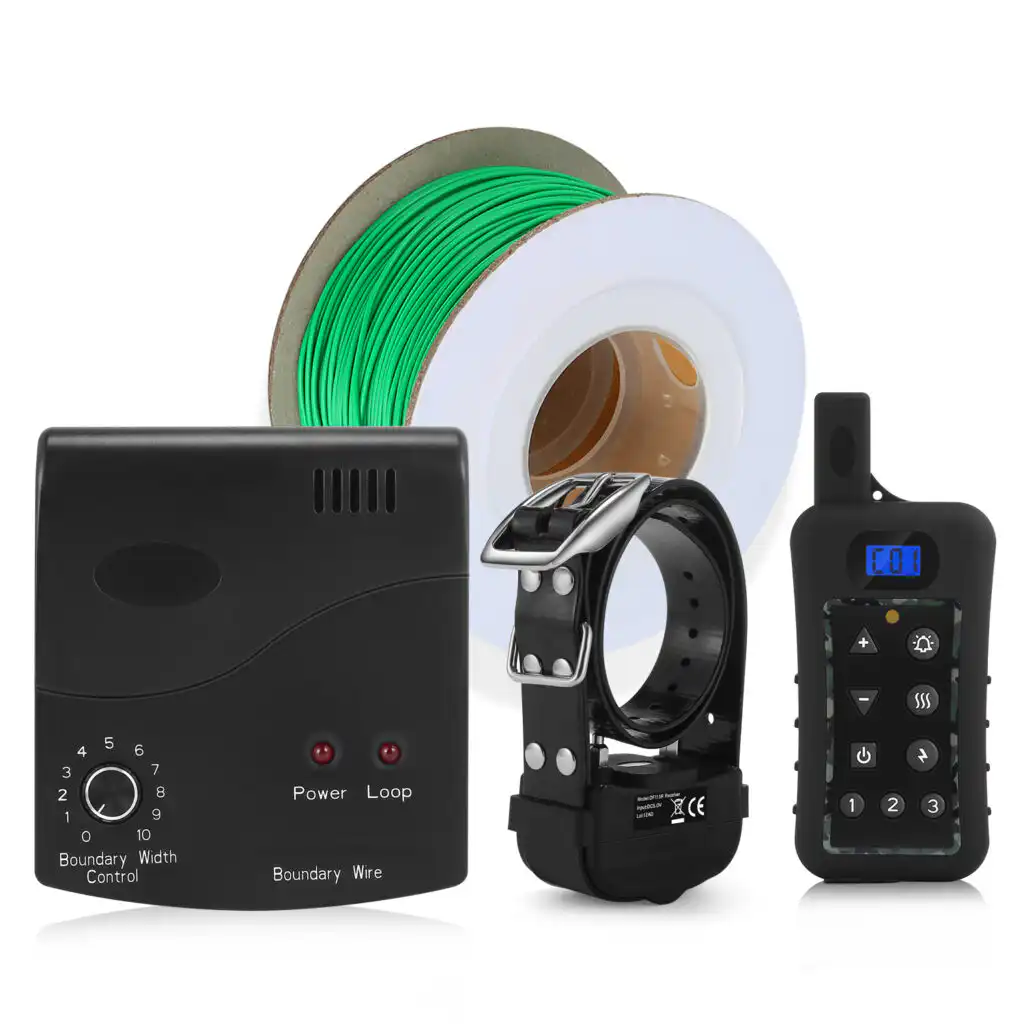
Dog Fence System and Remote Trainer in One Wireless DF113R Out of View Boundary Fence System
Original price was: $428.00.$200.00Current price is: $200.00. -
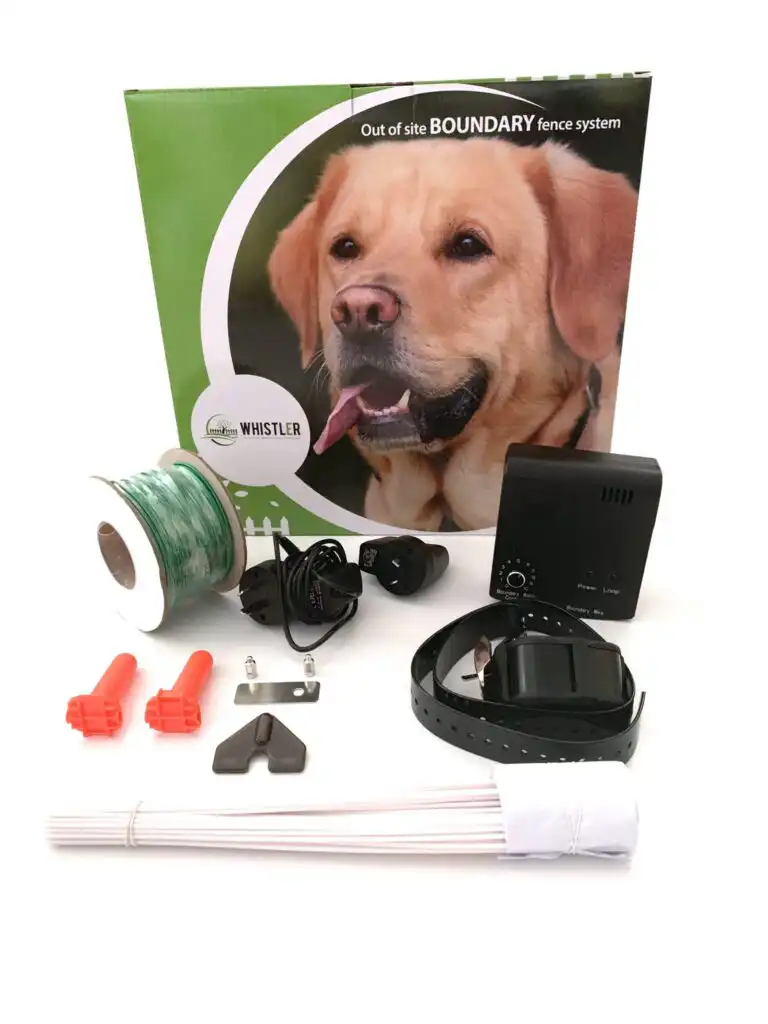
Dog Fence Wireless Out of View Boundary Fence system DF113R
Original price was: $348.40.$200.00Current price is: $200.00. -
Dog Training Collar for up to 3 dogs PTV1200 ADDITIONAL COLLAR
Original price was: $89.00.$60.00Current price is: $60.00. -
Dog Training Collar for up to 3 dogs Rechargeable up to 1200mtrs PTV1200 Vibrate only
Original price was: $189.00.$99.00Current price is: $99.00. -
Dog Training System PTL 600
Original price was: $149.00.$80.00Current price is: $80.00.