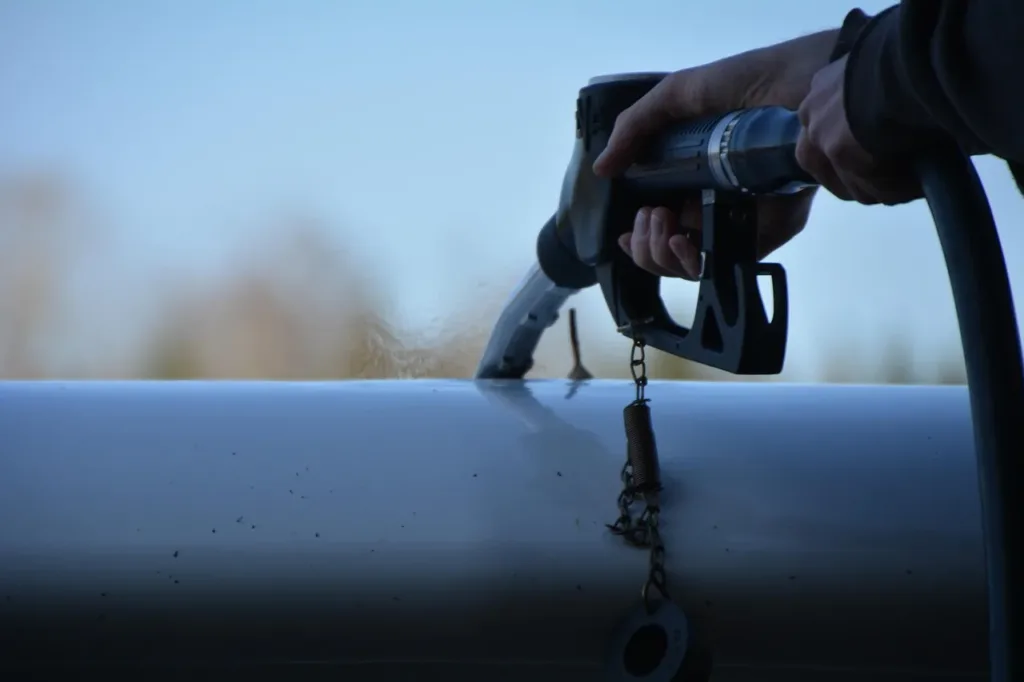
Fuel costs have become one of the biggest pressures on Australian farms in 2026, cutting directly into margins and affecting nearly every part of day-to-day operations. Unlike city households, where higher fuel prices mainly hit at the pump, farmers feel the impact across machinery, freight, contractors, and input costs. According to Australian Institute of Petroleum fuel price data, fuel price volatility continues to impact regional Australia, creating ongoing uncertainty for farm businesses. Combined with broader economic pressures highlighted by ABARES agricultural outlook and data, many farms are shifting focus from expansion to efficiency—protecting cashflow, reducing waste, and making smarter operational decisions.
In this environment, small changes can make a meaningful difference. Reducing unnecessary vehicle movements, maintaining machinery properly, and planning jobs and freight more effectively can all help lower diesel use. Guidance from Agriculture Victoria farm management resources reinforces that efficient farm systems and forward planning are critical to managing rising input costs. Just as importantly, buying reliable, durable equipment reduces breakdowns, repeat trips, and wasted labour. At Whistler Farm Supplies, the focus remains on providing dependable gear while holding prices steady for as long as possible—giving farmers a chance to buy ahead and avoid the next wave of cost increases.
The farms that will come out strongest over the next 12–18 months won’t necessarily be the biggest, but the most disciplined. Those who plan ahead, consolidate purchases, and invest in quality will be better positioned to manage ongoing volatility. In a high-cost environment, efficiency isn’t just a strategy—it’s the difference between holding margin and losing it.
FAQs
How can you reduce unnecessary fuel use across your farm?
By batching jobs, improving route planning, and avoiding repeated trips for small tasks, farmers can significantly reduce diesel consumption without reducing output.
Are poor maintenance practices increasing fuel costs?
Yes. Dirty filters, incorrect tyre pressure, and worn machinery all increase fuel burn. Preventative maintenance is one of the simplest ways to reduce costs.
Should farmers be buying in bulk right now?
Where it makes sense, yes. Buying ahead can reduce freight costs and protect against future price increases, particularly for high-use items.
Is cheap equipment actually costing more long term?
Often, yes. Lower-quality gear can lead to more breakdowns, repeat jobs, and additional fuel use—making durability the more cost-effective choice over time.
On sale products
-
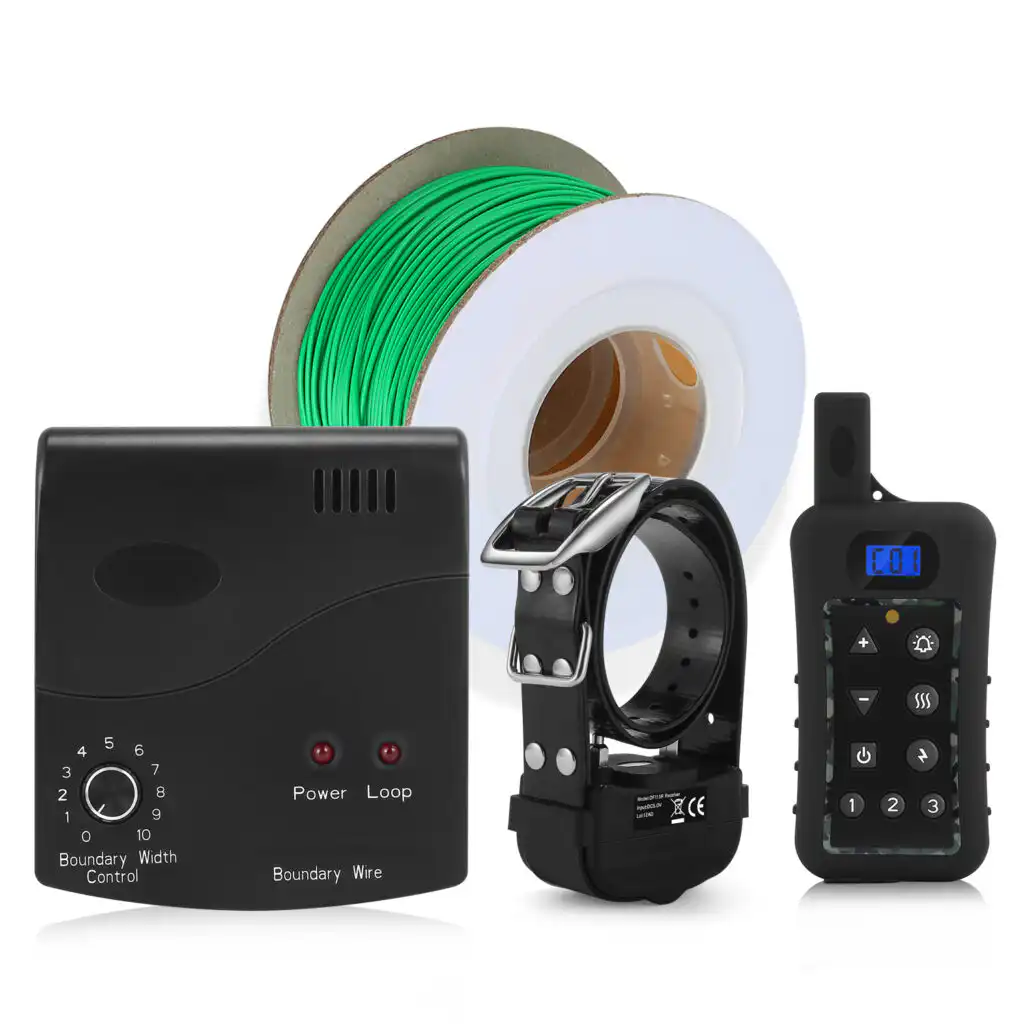
Dog Fence System and Remote Trainer in One Wireless DF113R Out of View Boundary Fence System
Original price was: $428.00.$200.00Current price is: $200.00. -
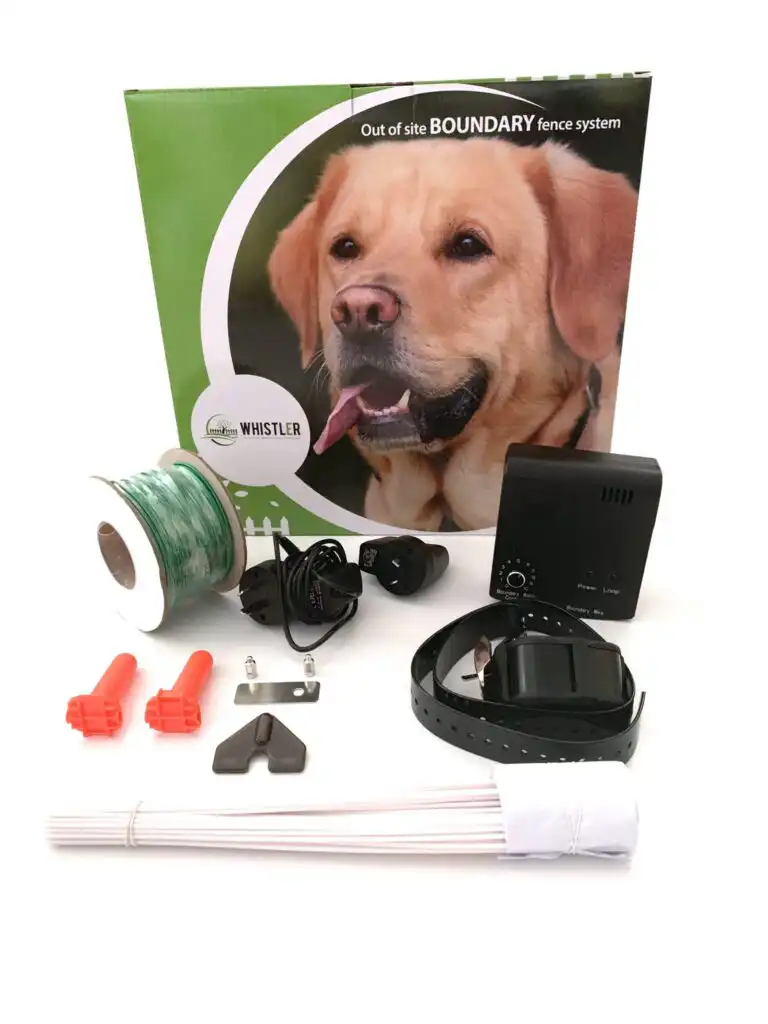
Dog Fence Wireless Out of View Boundary Fence system DF113R
Original price was: $348.40.$200.00Current price is: $200.00. -
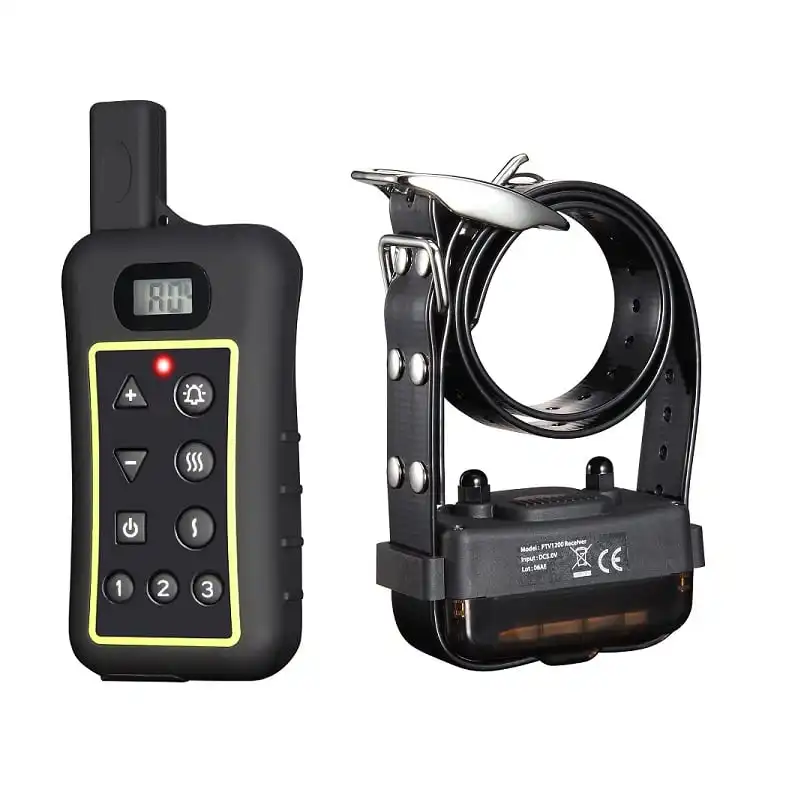
Dog Training Collar for up to 3 dogs PTV1200 ADDITIONAL COLLAR
Original price was: $89.00.$60.00Current price is: $60.00. -
Dog Training Collar for up to 3 dogs Rechargeable up to 1200mtrs PTV1200 Vibrate only
Original price was: $189.00.$99.00Current price is: $99.00. -
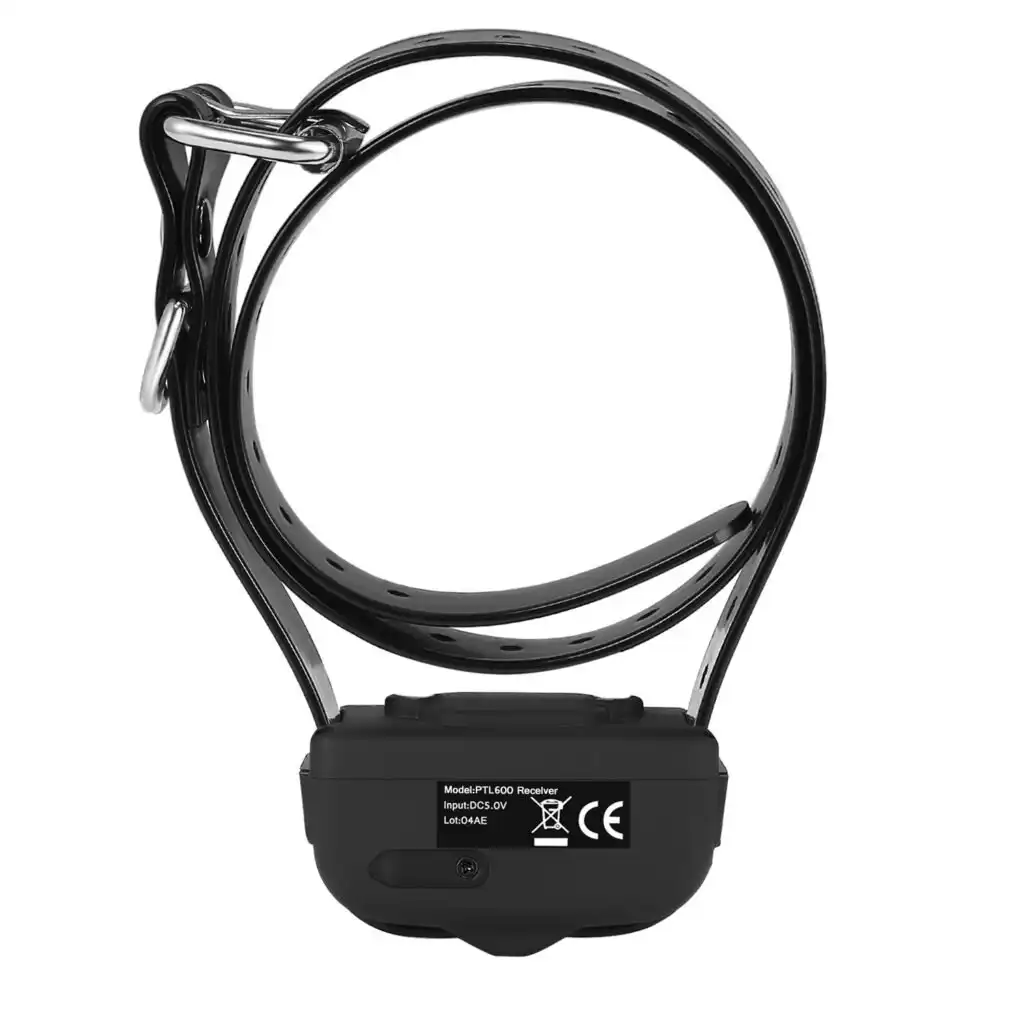
Dog Training System PTL 600
Original price was: $149.00.$80.00Current price is: $80.00. -
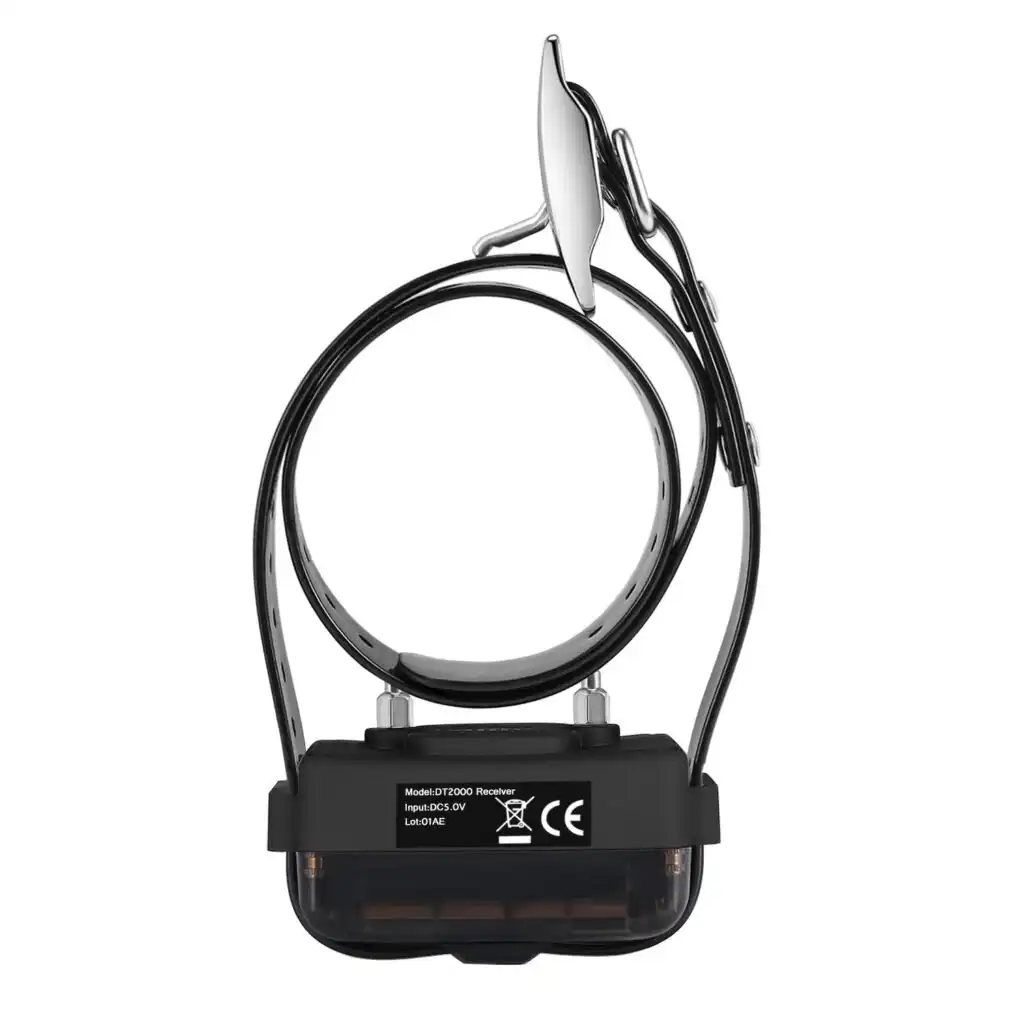
DT-2000 Additional Collar Waterproof Dog Trainer Wireless Collar
Original price was: $125.00.$79.00Current price is: $79.00. -
Extra Collar for Dog Training System PTL 600
Original price was: $80.00.$60.00Current price is: $60.00.