
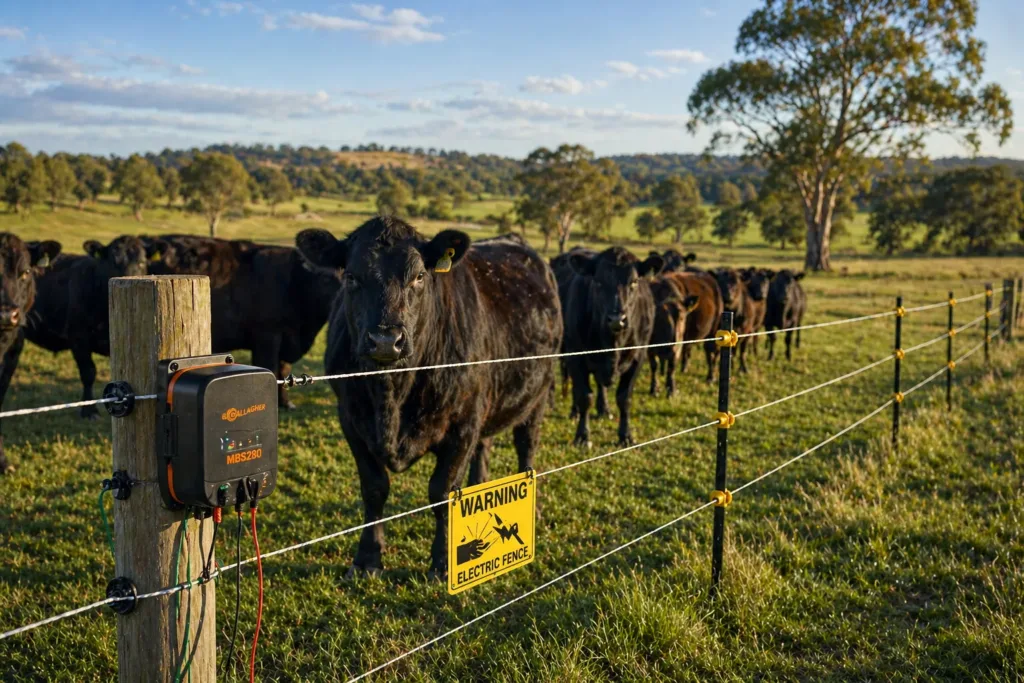
Electric fencing has become a cornerstone of modern cattle management in Australia, offering farmers a cost-effective and flexible way to control livestock movement and protect pasture. Compared to traditional fencing, electric fences are quicker to install, easier to maintain, and highly effective at training cattle to respect boundaries. With rising input costs across the agricultural sector, more farmers are turning to electric fencing systems to maximise efficiency while reducing long-term expenses.
For Australian conditions, a well-designed cattle electric fence system typically includes high-quality energisers, durable polywire or polytape, and reliable insulators suited to star pickets. Rotational grazing is one of the biggest advantages, allowing farmers to divide paddocks and improve pasture utilisation while maintaining soil health. According to industry research and resources from organisations like Meat & Livestock Australia, controlled grazing systems supported by electric fencing can significantly improve productivity and pasture recovery rates.
Choosing the right materials is critical for long-term success. UV-stabilised polywire, heavy-duty insulators, and properly earthed energisers ensure consistent performance in harsh Australian environments. Whether managing a small hobby farm or a large-scale cattle operation, investing in quality electric fencing products reduces maintenance issues and improves stock control. At Whistler Farm Supplies, we focus on practical, farmer-tested solutions designed to perform in real paddock conditions.
Frequently Asked Questions
How effective is electric fencing for cattle in Australia?
Electric fencing is highly effective for cattle when installed correctly. Cattle quickly learn to avoid the fence after a short training period, making it a reliable long-term solution for paddock management.
What is the best electric fence setup for cattle?
A typical setup includes a powerful energiser, good earthing system, polywire or polytape, and strong insulators on star pickets. Multi-strand systems are often used for larger cattle or high-pressure areas.
Can electric fencing improve pasture management?
Yes. Electric fencing enables rotational grazing, which helps prevent overgrazing, improves pasture regrowth, and supports better soil health—key factors for sustainable farming in Australia.
How often should the fence be checked?
Regular inspections, especially after weather events, keep it working properly.
Related Products
-
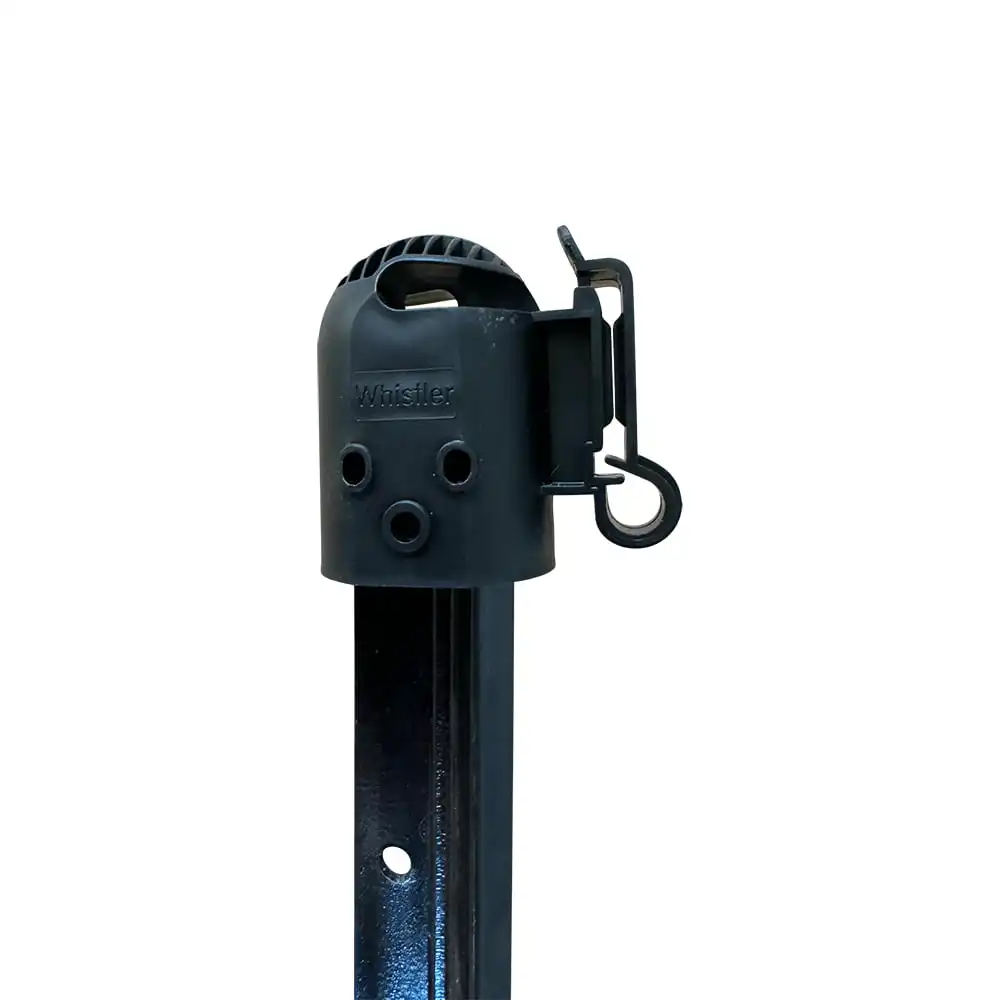
Black Safety Round Star Picket Caps Qty 20
$47.00 -
Black Safety Round Star Picket Caps Qty 40
$92.00 -
Black Safety Round Star Picket Caps Qty 60
$135.00 -
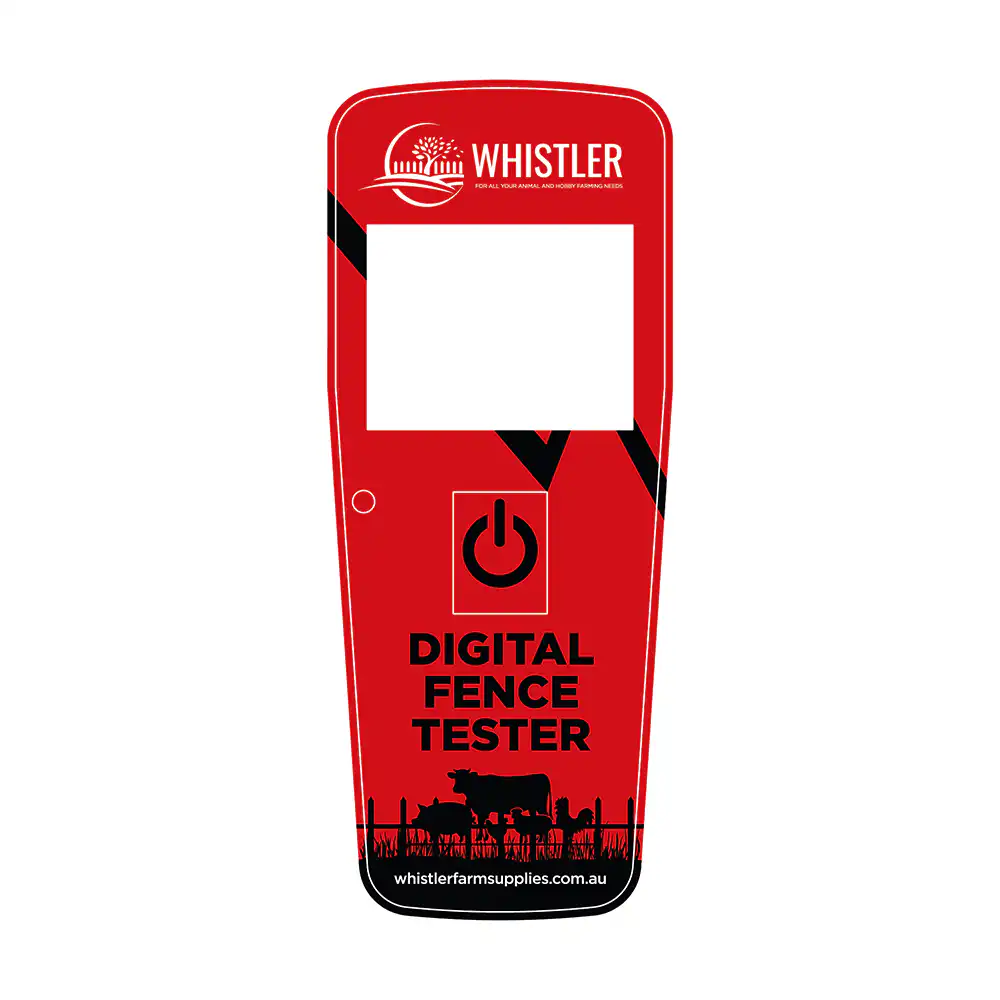
Digital Electric Fence Tester | Fence Voltage Tester
$145.00 -
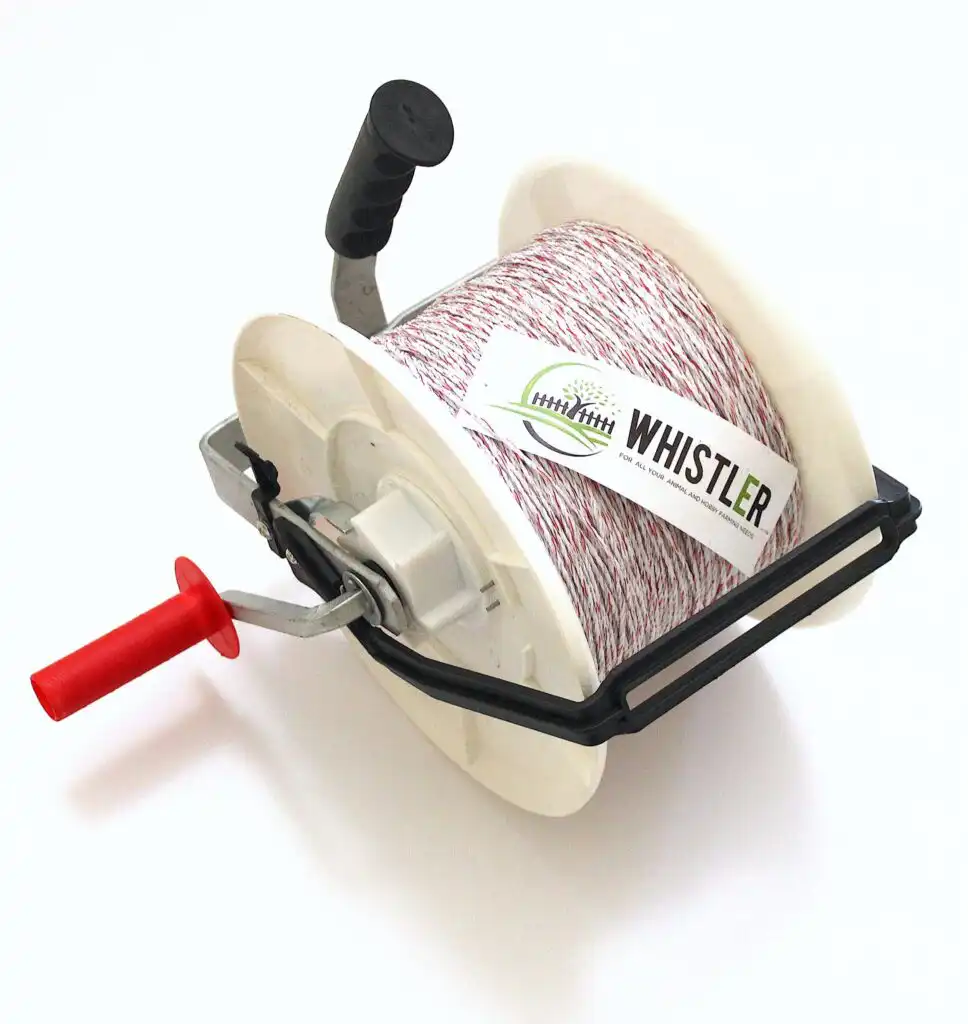
Electric 3:1 Geared Fence Reel with 500m Red and White 2mm Poly Wire
$125.00 -
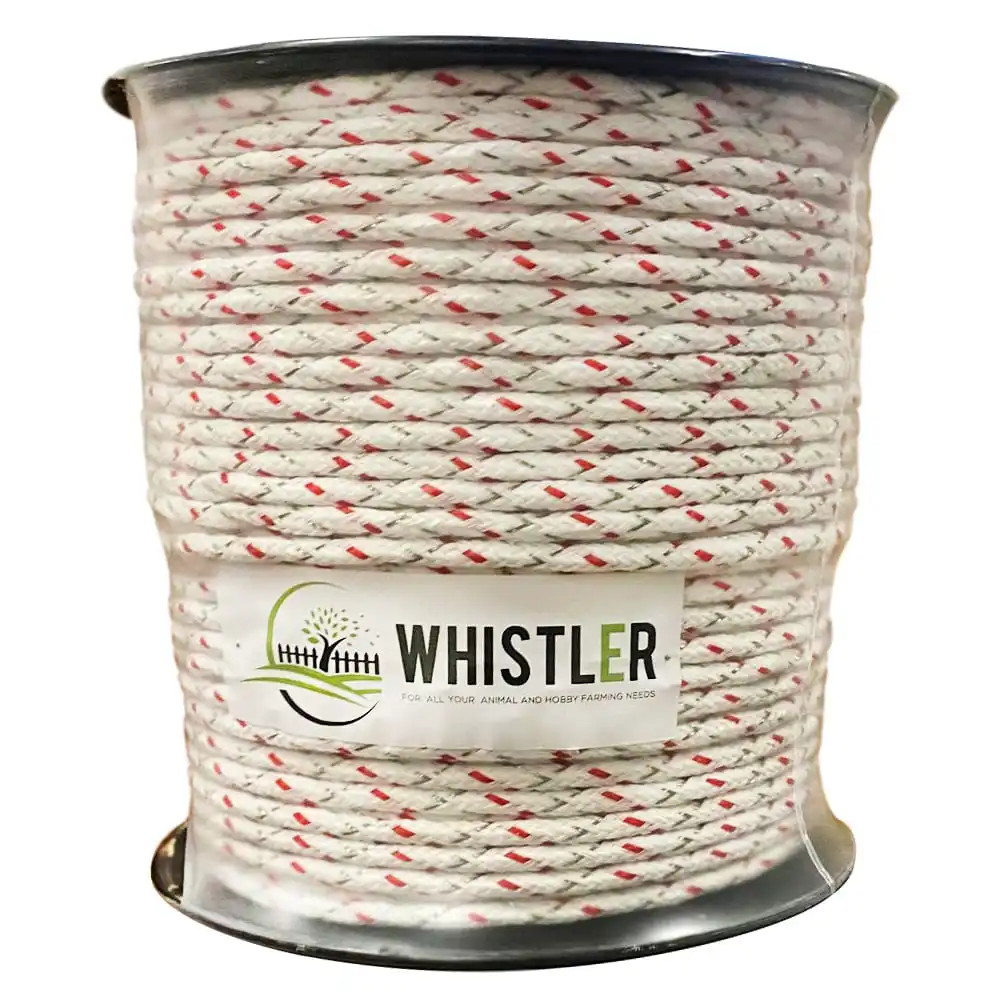
Electric Fence 8mm Red & White Braided Polyrope
$178.00 -
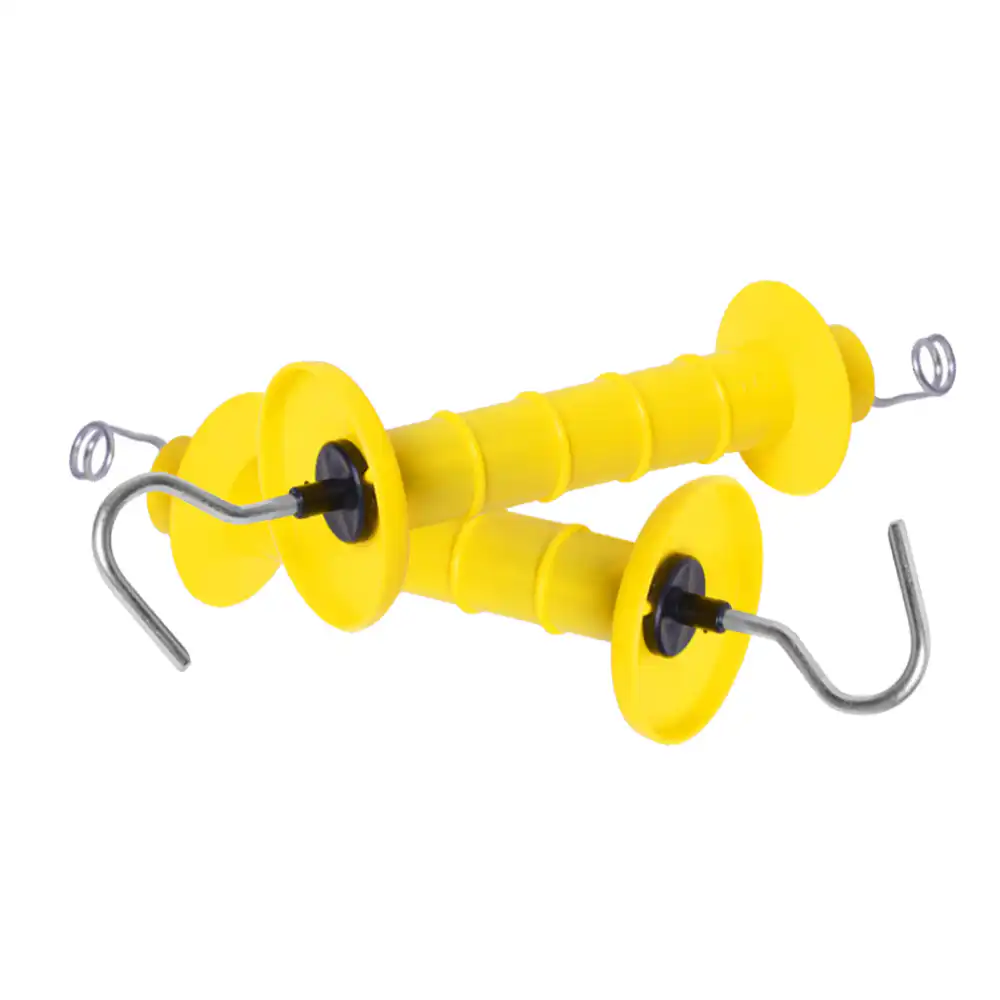
Electric Fence Gate Handles Pack of 5
$39.50