
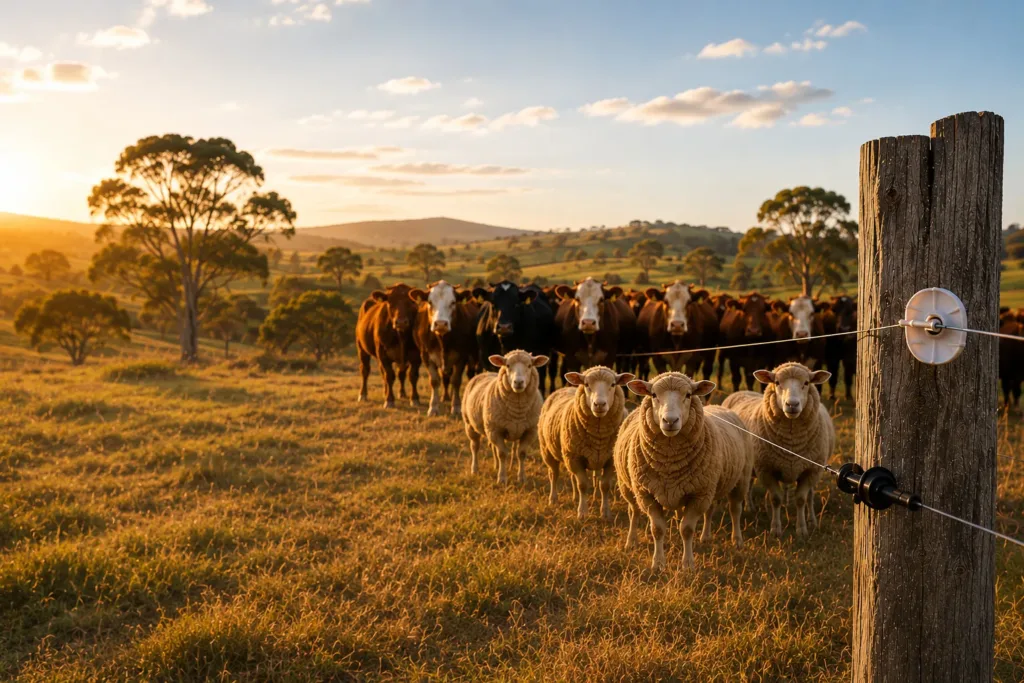
Australian Farming News: Livestock Holds Firm as Spring Risks Come Into Focus
Australian cattle markets remained broadly supported over the past week, while increased lamb supplies placed some pressure on sheep prices. Grain export prices strengthened, Western Australia announced further investment in its sheep supply chain, and a new H5 bird flu detection reinforced the need for strong on-farm biosecurity.
Cattle prices remain well supported
Australian cattle producers enjoyed another positive month, with finished cattle prices remaining among the strongest seen in recent years.
Export demand from North America and Asia continues supporting Australian beef, while tighter cattle supplies have helped maintain firm prices across most saleyards.National cattle yardings increased to 61,202 head during the week ending 11 September, with most Meat & Livestock Australia indicators moving higher.
The National Young Cattle Indicator held at 533¢/kg liveweight across 21,238 head. Online cattle sales remained influential, particularly in New South Wales, where prices averaged more than 592¢/kg liveweight.
Restocker yearling heifer prices increased 1% for the week and were 13% higher than a year earlier. The Feeder Heifer Indicator was an exception, falling 2%.
Queensland supplied the largest share of saleyard cattle, while Gunnedah recorded the largest weekly increase in yardings.
Cattle slaughter fell 2% to 143,675 head. Queensland and New South Wales processing numbers were steady for the week, while Western Australian slaughter rose 5%. Victorian cattle slaughter was 9% lower than the comparable period last year.
For producers, the figures suggest demand remains reasonably firm, but market selection continues to matter. Weight, condition, location and buyer competition can produce substantial differences between yards and online selling platforms.
More lambs enter the market
National lamb yardings increased 9% to 154,852 head, while mutton yardings rose another 5% to 59,143 head. The combined sheep and lamb offering reached 213,995 head.
The increased supply contributed to softer results across most lamb indicators. The Restocker Lamb Indicator recorded the largest fall, declining 3% over the week. The Light Lamb Indicator was the main exception, rising 1% to 1,104¢/kg carcase weight, which was still 7% above its level a year earlier.
The National Mutton Indicator gained 7¢/kg, with Wagga Wagga contributing more than 20% of the animals included in both the restocker lamb and mutton indicators.
National lamb slaughter declined 2% to 360,315 head. Tasmania recorded the most notable annual increase, rising 43%, while New South Wales and Western Australia were both 20% higher than a year earlier. Victorian lamb slaughter fell 5% year-on-year to 156,705 head.
The practical message is mixed: prices remain historically strong in parts of the market, but increasing spring supply may create more variation between weight categories and saleyards.
Source: MLA weekly cattle and sheep market wrap – 11 September 2026
Grain export prices strengthen
The latest ABARES commodity update showed stronger Australian grain export prices across most of the major commodities monitored.
Indicative prices published on 10 September included:
- Australian Premium White wheat: $425 per tonne FOB Port Adelaide, up 4% over the reported week and 14% year-on-year
- Australian Standard White wheat: $415 per tonne, up 3% for the week and 13% annually
- Feed barley: $374 per tonne, up 1% for the week and 6% annually
- Canola: $799 per tonne FOB Kwinana, up 3% for the week and 1% annually
- Grain sorghum: $430 per tonne FOB Brisbane, unchanged for the week but 5% higher than a year earlier
These are export indicators rather than guaranteed farmgate prices. Freight, quality, delivery terms, local demand and basis movements will determine the price available to individual growers.
The stronger figures nevertheless provide some welcome price support as the winter crop moves closer to harvest. ABARES’ September outlook forecasts national winter crop production of 61 million tonnes, down 12% from last season but still potentially the fourth-largest crop on record.
Southern New South Wales, Victoria and South Australia generally have strong production prospects. Conditions remain much more difficult across northern New South Wales and Queensland, while parts of Western Australia still require timely finishing rain.
Sources: ABARES weekly commodity price update, ABARES September crop report
A divided seasonal outlook
The Bureau of Meteorology’s latest October-to-December outlook points to a pronounced east-west divide.
Above-average rainfall is likely across much of Western Australia, western South Australia, central Australia, inland Queensland and north-eastern New South Wales. Below-average rainfall is more likely across much of south-eastern Australia and parts of the far north.
October itself is forecast to be drier than average across much of eastern Australia. Daytime temperatures are likely to be above average across most of the country, while warmer nights are expected almost nationally.
For Victorian and south-eastern New South Wales farmers, the combination of lower rainfall probabilities and warmer conditions deserves attention. Well-established crops with good soil moisture are better placed, but pastures, later crops and shallow-rooted paddocks may become increasingly dependent on well-timed rain.
Source: Bureau of Meteorology long-range forecast
H5 bird flu detected in Jervis Bay Territory
On 11 September, authorities reported H5 bird flu in a greater crested tern at Booderee National Park in the Jervis Bay Territory—the first detection recorded in that territory.
Samples were sent to CSIRO’s Australian Centre for Disease Preparedness for further testing. Authorities confirmed that there were still no H5 detections in Australian poultry or the agricultural production system, and the assessed human-health risk remained low.
Poultry owners should prevent wild birds from accessing feed and water wherever possible. Anyone finding multiple sick or dead birds should avoid contact, record the location and report the incident to the Emergency Animal Disease Hotline on 1800 675 888.
Source: Australian Government H5 bird flu update – 11 September 2026
Investment in WA sheep processing and drought resilience
The Australian and Western Australian governments announced the second round of grants under the $40 million Supply Chain Capacity Program.
Funding was awarded to 104 sheep producers for projects including feedlots, confinement-feeding systems, paddock finishing and productivity technology. Four processors received support for cold storage, lairage, value-adding and abattoir expansion.
The funded projects have a combined value exceeding $88 million. The program forms part of the broader transition package associated with the planned phase-out of live sheep exports by sea.
A new Wheatbelt Regional Drought Resilience Plan was also finalised during the week, providing a longer-term framework for drought preparation across Western Australian communities.
Sources: WA sheep supply-chain grants, Wheatbelt drought-resilience plan
Practical outlook for the week ahead
Farmers should watch local spring rainfall forecasts closely, particularly across Victoria and south-eastern New South Wales. Other priorities include reviewing crop yield potential before further input spending, comparing livestock selling channels, checking water and electric-fence systems ahead of faster pasture growth, and strengthening poultry biosecurity.
Grain prices have improved, but growers should compare current bids with storage, freight and cash-flow requirements rather than reacting to headline export indicators alone.
Are Whistler Farming Supplies Australian Owned?
Yep Wayne & Leah own Whistler Farm Supplies and have owned, lived, worked on farms all their lives, and have a wealth of knowledge to share.
What about the Whistler Team?
Jamie (ex shearer circa 1980’s) Gippsland handles the website side of things, as well as other IT and emerging Artificial Intelligence Opportunities. Luvna handles our social media advertising, and Justin handles backend website development.
Best selling products
-

Heavy Duty Wire Fence Strainer for Plain & Barbed Wire with 1.2m Chain
$71.00 -
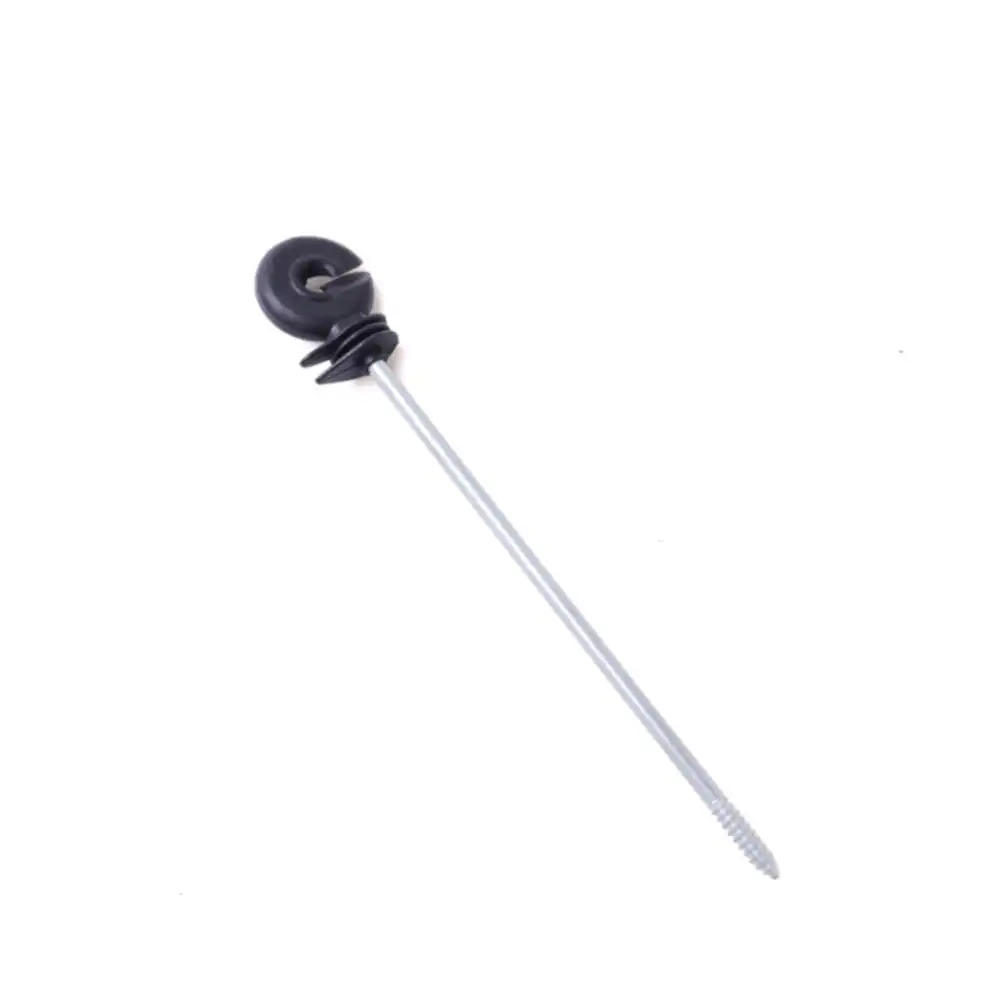
Electric Fence Off Set Ring Poly Rope Wire Insulator Black 50PKT
$63.00 -
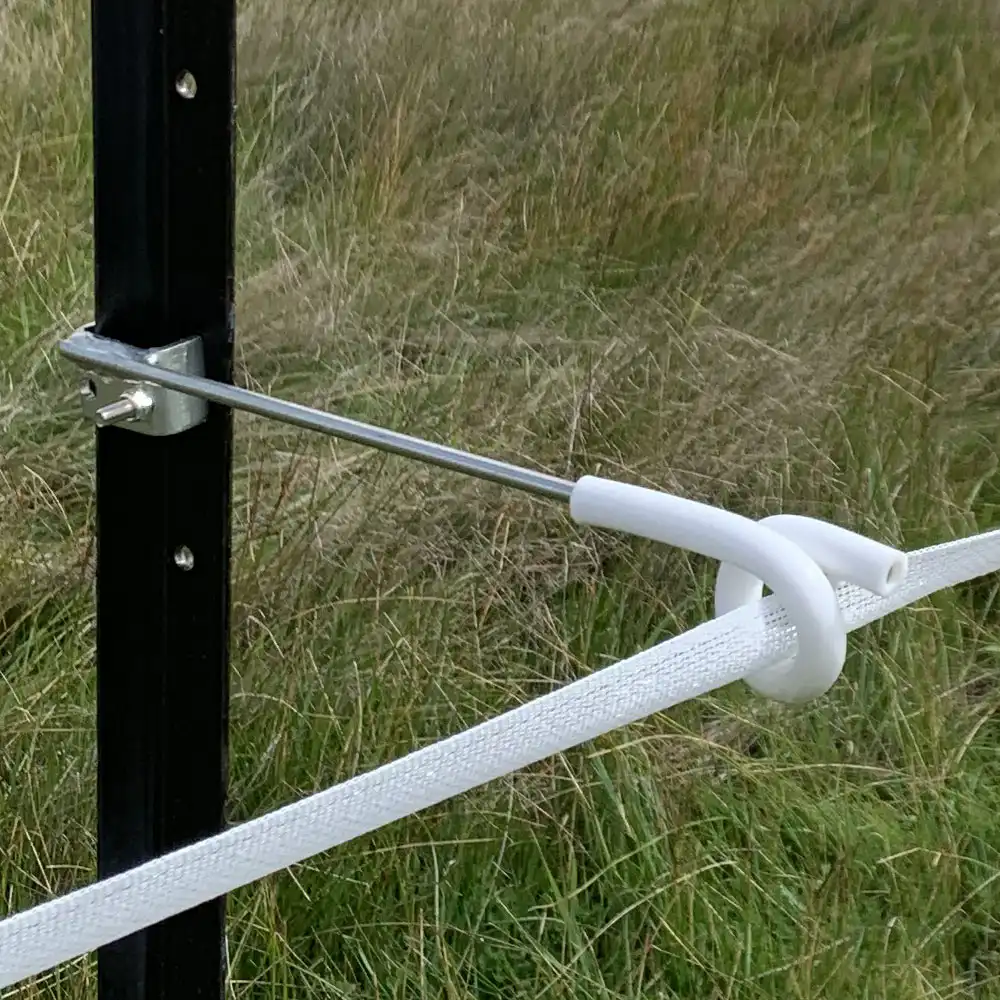
Electric Fence White Pigtail Insulators 25 Pkt 45cm offset
$129.00 -
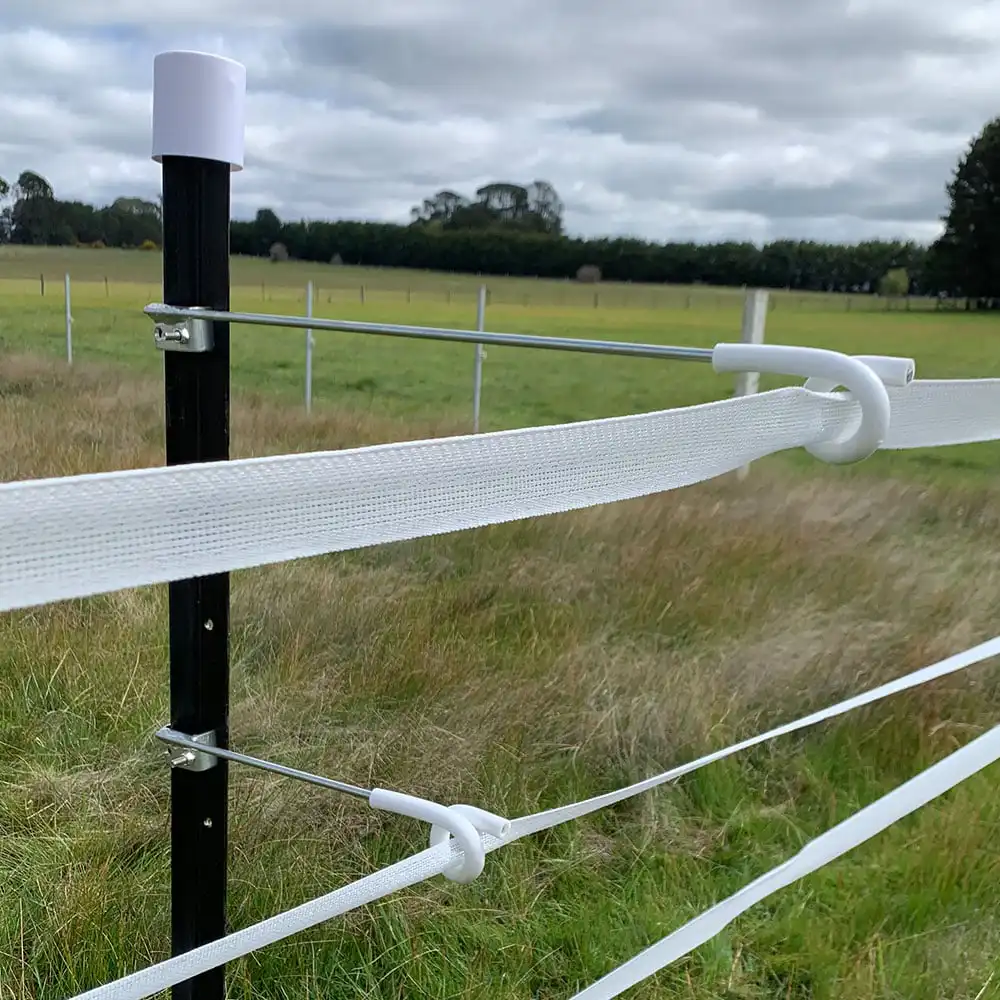
Electric Fence Pigtail Insulators 25 Pack 25cm offset
$122.00 -
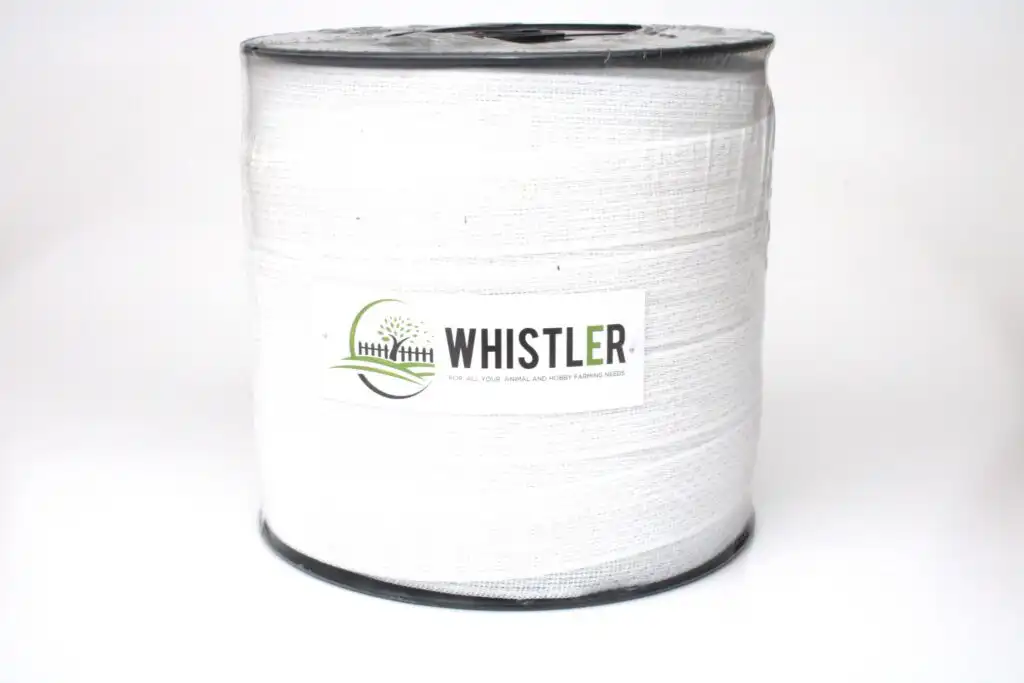
Fence Electric White Fencing 40mm Tape 200 Metres
$92.00